How Far Is Surbiton From Me? Find a Clinic for Private Microsuction Earwax Removal in Surbiton KT6
This Content Updated - 07/08/2026 04:42
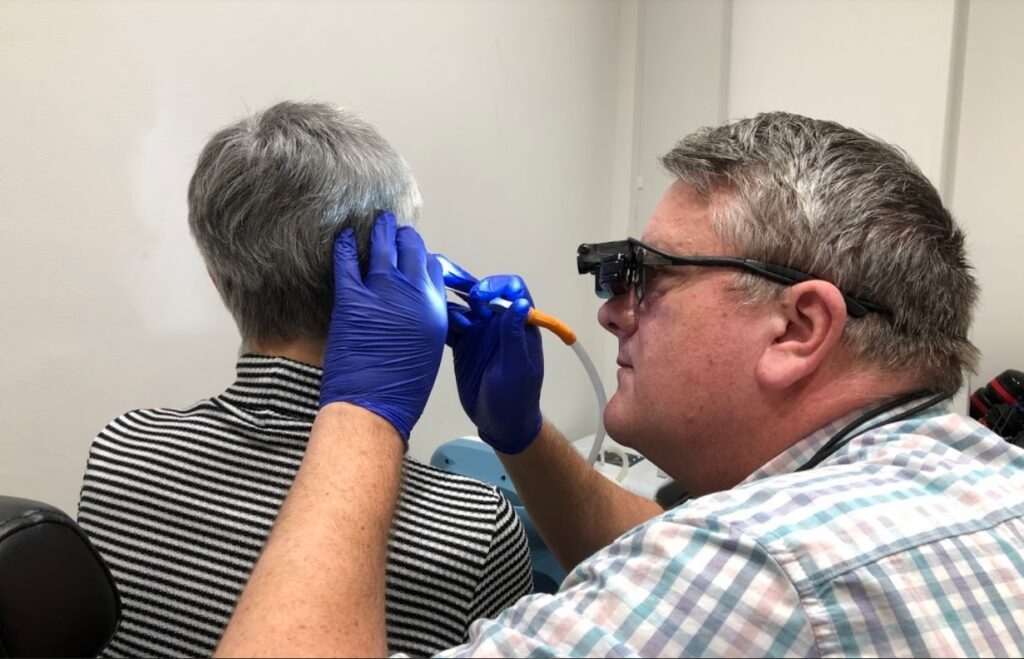
The Hearing First Surbiton clinic is situated at Therapy Spaces on St James' Road, a short, flat stroll from the station. There are pay-by-phone bays directly outside and ground-floor premises for easy access, which suits people with mobility aids or small luggage. Expect microsuction performed by trained audiology clinicians using magnified, direct-vision techniques for safe earwax removal.
Book Your Microsuction Earwax Removal Appointment Now, And Minimise Discomfort from Earwax.
Verified Contact and Booking Details
- Address: 16 St James' Rd, Surbiton KT6 4QH (view on Google Maps).
- Telephone: 0800 133 7987.
- Official website: check current booking options and availability.
Place details are provided by Google Maps and should be checked before booking.
Our Surbiton microsuction clinic also welcomes clients from East Finchley, Church End, Golders Green, Hendon, Hampstead Garden Suburb, Mill Hill, Barnet, Finchley, Highgate, Crouch End, Hornsey, Harringay, Southgate, Whetstone, Arnos Grove, Osidge, Wood Green and Tottenham.
Location, Map and Directions to Ear Wax Removal in Surbiton
The Hearing First Surbiton clinic is simple to find on St James' Road, a short walk from the town centre. Therapy Spaces houses the clinic on the ground floor, giving level access on arrival. For precise navigation, search the clinic name or enter the full KT6 4QH postcode in your satellite or smartphone map. Patients commonly travel from Kingston, Tolworth and surrounding villages, so journey times vary: always check live navigation for roadworks or rail alterations that might affect your route.
- If you expect to arrive early, there are several cafés and benches on the high street where you can wait comfortably for your appointment time, helping you remain relaxed before microsuction.
- From Surbiton station, exit towards the town centre and follow the high street signs for roughly five to ten minutes, then turn onto St James' Road; the clinic entrance is on the ground floor of Therapy Spaces.
- Taxis operate from the station forecourt and can drop you at the clinic entrance if you have limited mobility or bulky items such as crutches or a child seat.
- If driving, set your satnav to KT6 4QH and plan for on-street pay-by-phone bays or a nearby pay-and-display car park that is a two to three minute walk from the clinic.
- Local buses serve the high street: check Transport for London or local timetables for routes that stop near St Mark’s Road; buses are useful when rail services are disrupted.
Using Google Maps or Satnav for Directions
Enter the clinic address exactly as 16 St James' Rd, Surbiton KT6 4QH for the most accurate route. Google Maps provides walking, driving and public transport options; if walking from the station, pick the pedestrian route to avoid busy junctions. For drivers, the app usually highlights nearby parking, but always confirm local signage since restrictions can apply. If you need help finding the clinic on arrival, phone the clinic for a clear verbal guide from reception.
Microsuction Compared with Ear Syringing
Increasingly, GP surgeries in Southwest London no longer provide ear syringing. This change is partly due to funding pressures and partly because syringing carries greater risk than microsuction for many patients. Potential complications from syringing include infection, worse hearing, tinnitus, eardrum perforation and pushing wax deeper into the canal. Given these risks many patients now opt for microsuction instead of walk-in irrigation services. Where NHS microsuction is available there can still be waiting lists of weeks to months in some areas.
You do not have to wait months for microsuction. Consider private treatment as an option for quicker access. Visit our booking page at this link to reserve a slot and you may have your wax clearance arranged within days.
Parking Tips and Options
- Consider off-peak travel to avoid busy shopping hours, early morning or late afternoon visits often make parking easier near the clinic entrance.
- Use pay-by-phone services that allow remote extension, so you do not need to return to the meter if your appointment runs late or you stop afterwards.
- Check the council pay-and-display car parks near the high street, these are usually cheaper for stays over one hour and are a short walk to Therapy Spaces, useful if you need a slower exit after treatment.
- If you have mobility difficulties arrive a little earlier to identify the nearest accessible bay or drop-off point, then request assistance from clinic staff if needed for carrying belongings.
- Check for roadworks or temporary event parking suspensions on the council website before travelling, local festivals or markets may close streets and displace regular spaces.
Practical Travel Considerations
When planning your journey, check live train schedules and local bus timetables and aim to travel outside peak times where possible. If driving, build in extra time for parking, especially during busy periods. Many patients find it useful to text the clinic on arrival, particularly when carrying luggage or needing assistance.
Book a Microsuction Appointment
Private microsuction earwax removal is by appointment only so clinicians can carry out a full, safe assessment. Booking online is usually the quickest option, and many patients secure same-week appointments with private providers rather than waiting for NHS services.
- Choose a suitable date and time from the online calendar and complete the short patient details form.
- Visit the clinic booking page and select Surbiton as your location.
- Arrive a little early for a short pre-treatment check and bring any hearing aid details or relevant medical notes.
Please bring photo ID if requested and a list of current medications. If you need to cancel or reschedule, inform the clinic promptly so the slot can be offered to another patient; this helps reduce waiting times for everyone needing microsuction or follow-up audiology.
Parking and Drop-Off Options Near a Surbiton Microsuction Clinic
Car Parks Near Hearing First Surbiton
- YourParkingSpace, approximately 0.2 miles from Hearing First Surbiton. View on Google Maps.
- YourParkingSpace, approximately 0.8 miles from Hearing First Surbiton. View on Google Maps.
- Middle Kingston car park, approximately 0.8 miles from Hearing First Surbiton. View on Google Maps.
Parking information and place links are provided by Google Maps. Check restrictions and charges locally.
Parking in Surbiton can be straightforward if you know the local layout, but it still pays to plan ahead. Around the town centre and St James' Road, you may find a mix of pay-by-phone bays, metered spaces, and nearby car parks. For a short microsuction appointment, that usually gives enough choice, but busy periods can make searching for a space slower than expected. If you are being dropped off, a quick stop near the entrance may be the easiest option. For blue badge holders, local parking rules matter, so always read the signs on the street where you park. If you are travelling with someone who has limited mobility, it is worth allowing extra time to get from the vehicle to the clinic door. A calm arrival is helpful for everyone, particularly when the appointment is for earwax removal and you may already be dealing with muffled hearing or discomfort. Small practical choices can make the visit smoother.
Parking Advice That Saves Time
- Arrive a little early if you plan to park on-street, because finding a free bay can take longer at peak times.
- Use pay-by-phone where possible, since it may let you extend your stay remotely without returning to the meter.
- Check whether the bay is short stay, disabled, or loading only, because restrictions can change from one road to the next.
- Consider a nearby car park if you expect to stay longer, especially if you are combining the appointment with other errands.
- Ask the clinic in advance about the best drop-off point if walking distance is a concern.
For Blue Badge Holders
Blue badge rules can vary by road, so do not assume every space near the clinic works in the same way. Read local signage carefully and display your badge correctly. If anything looks unclear, check the council guidance before travelling or ask the clinic staff for general direction when you book.
How to Book an Appointment
Private ear wax removal runs by appointment only due to demand. You can reserve an ear microsuction slot online, or use the button below to book quickly.
Practical Travel Considerations
Check live train departures for Surbiton station and confirm local bus timetables, aiming for off-peak travel to reduce stress. Drivers should allow time to find a pay-and-display bay, and blue badge holders should review council rules for on-street parking. Many patients text the clinic on arrival to request assistance, especially when they come by public transport with luggage. The clinic phone number is on the booking page if you need to report delays or get directions. Planning in advance lowers anxiety and helps keep appointment schedules on time for everyone needing ear care.
Safety, Training and Clinical Governance in Private Clinics
Research Catalogue Results for Ear Wax Removal
- The auricular cough reflex: lateralization, prevalence, procedural determinants, and the role of examiner handedness. - van de Loo J, Mayer M, Sharaf K, Eckel H, Jansen L, Klussmann JP, Luers JC., 2026.
- High-definition otoscopic device for humanitarian mission: how i do it. - Lechien JR, Maniaci A, Kipsang MJ, Kibor M, Vaira LA., 2025.
- Use of Castor Oil in Dermatology: A Narrative Review. - Girdler K, Cabatu A, Olds H, Potts GA., 2026.
Source: Europe PMC. These are bibliographic matches, not personalised medical advice or an endorsement of a treatment.
Safety and quality are central to private microsuction providers. Established clinics employ clinicians with accredited training in microsuction, otoscopy and infection control, and they maintain explicit clinical governance systems. Look for evidence of professional registration, for example Health and Care Professions Council listings or membership of recognised audiology bodies. Clinics should retain records of treatments, consent and outcomes, and have escalation procedures for unexpected findings such as suspected eardrum perforation or discharge. Published policies on sterilisation, single-use disposables and PPE reassure patients that infection prevention is consistently applied.
Patient safety also depends on clear communication: clinicians ought to explain risks, alternatives and expected outcomes in plain language before treatment. If you have underlying conditions such as bleeding disorders or take anticoagulants, declare these at booking as they can affect the clinical approach. Clinics that audit outcomes and collect patient feedback show a continuing commitment to improving care and upholding standards.
Video: What to Expect in Your Surbiton Ear Wax Removal Appointment
Step-By-Step Booking Guide
- Complete the patient details form, including contact information and known allergies so clinicians can prepare appropriately.
- Select Surbiton as your location on the booking page to view available dates and times.
- Confirm your appointment by making payment as required by the booking system.
Driving Directions to Hearing First Surbiton
- Ear Wax Removal Hampton Hill to Hearing First Surbiton: approximately 5.3 miles and 19 minutes by car. The route typically begins: Head south-west on High St/A311 towards Deerhurst Cres; then Continue straight onto Church St/A311; then Turn left onto Hampton Ct Rd/A308. Open this route in Google Maps.
- Capelfield Surgery to Hearing First Surbiton: approximately 4.0 miles and 12 minutes by car. The route typically begins: Head east towards Woodward Cl; then Turn right onto Woodward Cl; then Turn left to stay on Woodward Cl. Open this route in Google Maps.
- Thameside Medical Practice to Hearing First Surbiton: approximately 3.8 miles and 17 minutes by car. The route typically begins: Head north-east on High St/A313 towards Langham Rd; then Turn right onto Langham Rd; then Turn left onto Kingston Ln. Open this route in Google Maps.
- National Transport Trust Red Wheel Cooper Cars Garage to Hearing First Surbiton: approximately 1.0 mile and 5 minutes by car. The route typically begins: Head north-west on Ewell Rd/A240 towards Hollyfield Rd; then Turn left onto St Mark's Hill/B3370; then At the roundabout, take the 2nd exit onto St James' Rd Destination will be on the right. Open this route in Google Maps.
Distances, indicative journey times and route links are provided by Google Maps. Check live conditions before travelling.
Estimate Travel Time to Surbiton and Arrange Private Microsuction in Kt6
Whether Surbiton is convenient depends on how long the trip will take by your chosen mode of travel and on your mobility. Hearing First runs a private microsuction clinic in KT6 at Therapy Spaces where clinicians use magnification and direct vision to remove cerumen safely. Many patients report journeys under twenty minutes by train or car from nearby districts, however actual travel times change with the time of day, rail schedules and traffic levels. If you rely on public transport, check live departures and any platform changes before you leave: Surbiton station is generally a short, level walk from the high street, which helps when you are carrying bags or using a folding mobility aid. The clinic suggests booking ahead to secure a confirmed appointment, which reduces uncertainty and often ensures the earliest available slot for those who prefer private audiology rather than longer NHS waits.
Parking Tips and Options
- Use pay-by-phone services that allow remote extension of parking time, so you do not have to return to the meter if your appointment runs over.
- Consider off-peak travel to avoid busy shopping hours which can make parking easier.
- If you have mobility challenges, arrive early to locate the nearest accessible parking or drop-off point and request assistance from clinic staff if necessary.
Car Parks Near Hearing First Surbiton
- Surbiton Station - Upside, approximately 0.1 miles from Hearing First Surbiton. View on Google Maps.
- Waitrose Parking, approximately 0.1 miles from Hearing First Surbiton. View on Google Maps.
- YourParkingSpace, approximately 0.7 miles from Hearing First Surbiton. View on Google Maps.
Parking information and place links are provided by Google Maps. Check restrictions and charges locally.
Nearby Clinics and Partners
Some nearby clinics include the following locations:
Accessibility at a Ground-Floor Ear Clinic in Kt6
Accessibility is one of the main reasons people choose a private clinic near Surbiton station. A ground-floor location with level entry can make a real difference if you use a wheelchair, walking stick, mobility scooter, or if standing for long periods is difficult. It also helps carers who may be travelling with children, older relatives, or someone recovering from illness. When you book, explain any access needs clearly so the clinic can prepare the right room, allow extra time, or suggest the best arrival route. Good clinics understand that accessibility is not only about ramps and door width. It also includes a quiet waiting area, enough time to settle in, and clinicians who will speak clearly and pace the appointment properly. If you need help transferring from a wheelchair, or if sitting still for long periods is uncomfortable, say so in advance. That gives the team a better chance of making the visit easy and dignified from the start.
Helpful Adjustments to Request
- Extra time at check-in if you need to move slowly, use a mobility aid, or arrive with a companion.
- A ground-floor room or step-free route if stairs would make the appointment difficult or unsafe.
- A quieter waiting space if you are sensitive to noise, crowds, or busy clinic environments.
- Clear communication in plain language if you have hearing difficulty, anxiety, or need time to process information.
- Help with seating, transfer, or equipment placement if you have reduced strength or balance.
If access matters to you, mention it when booking, not on arrival, because a few minutes of planning can save a lot of stress later.
Bus and Rail Links Near Hearing First Surbiton
Public transport can be a convenient option for reaching Hearing First Surbiton on St James' Road. The nearest listed bus stops are around Surbiton station and Claremont Road, with several recorded at approximately 0.0 miles from the clinic destination. This close positioning may be especially helpful if you prefer to avoid parking or want to minimise the walking distance before your microsuction appointment.
For rail travellers, the clinic is also positioned near Surbiton station, while Berrylands, Kingston and Hampton Wick are listed as nearby alternative stations. The best route will depend on your starting point, service pattern and any changes required. Check live departures on the day, as timetable alterations and engineering works can affect journey times.
- Use a live journey planner to compare bus, rail, walking and taxi options from your postcode.
- Allow additional time if you need step-free travel, a companion or a rest break before your appointment.
- Save the clinic address and directions on your phone in case you need to adjust your route while travelling.
Planning your return journey is equally worthwhile, particularly if you are travelling from further across Kingston upon Thames or south-west London. A little extra time for connections can make attending private earwax removal in KT6 more straightforward and reduce the pressure of arriving late.
Advice for Frequent Travellers
If you travel regularly or live further away, ask about aftercare options such as remote advice, follow-up at alternative sites, or local partners who can manage minor issues if they recur. This reduces repeat long journeys and helps maintain continuity of care close to where you live or work.
Map, Location and Directions to Ear Wax Removal Surbiton
You can get directions to our Microsuction Surbiton location here. Enter your starting point and Google Maps will guide you to the clinic.
%%JSLNAPSECTION_1_1A15DE4208650030%%
Probably the best ear wax removal clinic in Surbiton – but don’t just take our word for it, here are reviews from many satisfied clients:
Map, Station Access and Local Directions
The Hearing First clinic sits within Therapy Spaces on St James' Road, a short, level walk from Surbiton station. Our Surbiton site delivers microsuction and routine hearing assessments, making it convenient for commuters to combine travel with care. On-street pay-by-phone parking is available directly outside the building.
- If you are driving: use the nearby pay-and-display car park, or the designated on-street bays; check signage for hours and charges.
- From Surbiton station: exit towards the town centre, follow the high street and turn onto St James' Road, the clinic is on the ground floor.
- Bus links and taxis operate from the forecourt, useful for those with limited mobility or luggage.
For accurate turn-by-turn directions use your preferred maps app and search for the clinic name or address; the map will lead you to Therapy Spaces. If arriving by train, allow an extra ten minutes in case of platform changes, and note the clinic provides level access for straightforward entry.
Parking Options Near Hearing First Surbiton
Parking close to the clinic is provided via on-street metered bays and a small pay-and-display car park within a short walk. Pay-by-phone bays are common on St James' Road and nearby streets, with signs showing tariffs and maximum stay limits. Expect it to take longer to find a space during peak times, so aim to arrive a little earlier to ensure you reach the clinic promptly.
Booking a Private Microsuction Appointment in Surbiton
Private microsuction at Hearing First Surbiton is arranged by appointment, allowing time for an ear assessment before any procedure is undertaken. The online booking route enables patients to review available appointments and submit key contact and clinical information. Providing an accurate short symptom summary can support safer triage, especially if you have severe ear pain, sudden hearing loss or a complex ear history.
- Select a convenient Surbiton appointment time through the clinic booking page.
- Complete your contact information and share relevant symptoms, medication and ear history.
- Review any pre-appointment guidance and bring a current medication list to the consultation.
- Keep your confirmation details available so you can check the clinic location and travel plans before leaving.
Appointment length depends on clinical complexity. A straightforward wax removal may be completed relatively quickly, while hardened or impacted earwax can require more time and careful assessment. Booking in advance gives you a confirmed slot and can reduce the uncertainty of arranging private audiology care around work, travel or caring commitments.
If you need to change plans, contact the clinic promptly and check its current booking guidance. Patients who are unsure whether microsuction is appropriate should raise their symptoms during booking, rather than assuming that every blocked-ear sensation is caused by wax.
Clinic Catchment, Typical Travel Times and Who Uses the Surbiton Service
Hearing First Surbiton serves patients across KT6 and nearby postcodes and attracts enquiries from Kingston upon Thames, Tolworth and other parts of southwest London. Travel times are shaped by rail links and road conditions: central Kingston is commonly under ten minutes by rail, while journeys from central London often average twenty to thirty minutes on direct trains from Waterloo. For residents in outer suburbs a ten to fifteen mile radius frequently represents a manageable trip when sessions are available at short notice. Many people opt for private microsuction to avoid NHS waiting lists, especially where clinics can offer same-day or next-day appointments. If distance matters, ask the booking team about partner sites or session days closer to your home.
Choosing the Best Time for Your Appointment
Choose off-peak slots to avoid rush-hour crowds on trains and roads, typically mid-morning or early afternoon on weekdays. If you rely on public transport and worry about delays, book the first appointment of the day to reduce the impact of later cancellations or timetable changes. For longer journeys consider an afternoon slot with a short wait rather than travelling at peak times. The booking team can advise on the best timing for your postcode to help you arrive with minimal stress and maximum convenience.
Disabled Access and Level Entry Details
The Hearing First Surbiton clinic sits on the ground floor and provides level access into Therapy Spaces, making arrival simpler for wheelchair users, mobility scooter users and those with walking aids. Automatic doors might not be fitted in small therapy centres, so tell the clinic when booking if you need assistance entering. Inside, corridors are generally wide enough for comfortable manoeuvring and waiting area seating is chosen for patient comfort. Staff are trained to provide reasonable adjustments such as allowing extra check-in time or offering a quiet room for patients with sensory sensitivities.
Blue badge holders can often park in permitted bays near the clinic, but rules vary by street so read signs before leaving your vehicle. If you expect physical help from the clinician on arrival, for example assistance transferring between wheelchair and clinic chair, say so when booking so extra time and a suitable room can be arranged. The clinic aims to be inclusive for older adults, people with mobility limitations and carers accompanying children or relatives.
- If wheelchair access is required, notify reception when booking so staff can confirm the best entrance and set aside additional appointment time for a calm assessment.
- Bring a companion if you require support with transport or communication, clinic staff may liaise with a nominated person where you provide consent for shared care information.
- If you use a mobility scooter, check space availability in the waiting area or whether it is preferable to leave it near the entrance; some rooms are compact and need clear floor space for clinicians to work safely.
- If you have difficulty standing, request a seated pre-assessment to avoid unnecessary walking around the building and speed up the clinical process.
- If your mobility varies, consider travelling earlier than your appointment to allow time to rest or handle unexpected pain, helping you arrive ready for the procedure.
Advice for Frequent Travellers
If you travel or live some distance away, enquire about follow-up options such as telephone aftercare, partner sites for minor reviews or remote advice to limit return journeys and preserve continuity of care close to where you live or work.
Practical Planning Tip
Use a journey planner on the day of travel to check for engineering works or disruptions and allow extra time for platform changes and the walk between station and clinic; this is particularly useful if you have a tight appointment slot.
Microsuction Versus Ear Syringing for Wax Removal
Microsuction and ear syringing are both used to remove earwax, but they are not equally suitable for every patient. Microsuction uses a suction device under direct vision, so the clinician can see the ear canal throughout the procedure. That makes it more controlled and often safer for people with grommets, past ear surgery, active infection, or a perforated eardrum. Syringing, by contrast, introduces water into the ear canal and can be less suitable where the ear is vulnerable or where wax is hard and tightly packed. Many private audiology clinics prefer microsuction because it gives the clinician more control and usually avoids water pressure. If you are deciding which treatment to choose, think about your ear history, not just the price or the speed of booking. A careful clinical assessment is always more important than a quick fix, especially if your hearing change has been sudden or if you have other symptoms such as pain or discharge.
Why Many Patients Prefer Microsuction
- It is performed under direct vision, which allows precise removal of wax without relying on blind flushing.
- It avoids water entering the ear canal, which can matter for people prone to infection or irritation.
- It can be suitable for hearing aid users whose wax build-up affects fit, comfort, or sound quality.
- It is often the preferred option when the eardrum should not be exposed to irrigation pressure.
- It usually forms part of a fuller assessment, so the clinician can decide if wax is truly the problem.
When Syringing May Not Be Appropriate
If you have had ear surgery, recurring otitis externa, a perforated drum, or any recent discharge, a responsible clinician may advise against syringing. In those cases, microsuction or a referral for further assessment is usually the safer route.
Key Safety Comparisons
- Microsuction can usually be performed on patients with grommets or perforated eardrums, where irrigation would be unsafe, and clinicians can inspect the tympanic membrane immediately after removal to confirm a healthy result.
- Microsuction is dry and visually guided, allowing clinicians to identify wax type and shape removal to the canal anatomy, which reduces the risk of pushing wax deeper or causing eardrum injury compared with blind irrigation.
- Ear syringing introduces water into the canal, which can worsen otitis externa in susceptible patients and may be contraindicated with certain perforations or grommet placements, making pre-assessment essential.
When to Seek Professional Assessment
If you experience sudden hearing loss, continuous ear pain, discharge or have a history of ear surgery, do not attempt DIY irrigation. Arrange assessment with an audiologist or ENT-trained clinician to identify the safest removal method and minimise the risk of complications.
Typical Travel Times to Surbiton and Catchment Advice
How far Surbiton is from you varies by transport mode and postcode. From central Kingston the trip is commonly ten to fifteen minutes by car or five minutes by train, while from Tolworth and New Malden it may be 15 to 25 minutes by car depending on traffic. Commuters from central London often reach Surbiton in around twenty to thirty minutes from Waterloo on direct trains, while bus journeys depend on road conditions. For distance rather than time, a ten to fifteen mile radius covers much of southwest and west London where a clinic visit is usually manageable. If unsure, enter your postcode into a journey planner for up-to-the-minute travel times including any disruptions.
Tip: Use live journey planners on the day you travel to avoid delays, and add an extra 10 to 15 minutes for busy periods or unexpected platform changes at Surbiton station.
How to Choose the Best Clinic for Your Needs
Balance travel time, appointment availability and clinician qualifications when comparing nearby clinics. If distance or mobility is a concern, ask about weekend or evening sessions or whether a closer partner clinic can be recommended. Some providers publish clinicians’ registration and training details online, which helps patients choose services that meet safety expectations. When uncertain, call the clinic to confirm session days, clinician availability and whether the premises meet your mobility requirements.
What to Expect During a Microsuction Appointment in Surbiton
When you arrive reception will confirm your details and take a brief medical history focusing on ear symptoms, previous ear surgery and current medications, especially anticoagulants. The clinician will then perform a magnified inspection using an otoscope or operating microscope to assess cerumen type and canal condition. Microsuction normally uses a fine suction instrument and may take between ten and thirty minutes depending on how much wax is present and how hardened it is. Most people report only minimal discomfort; clinicians explain each step and pause if you need a break. After removal there is a final inspection and advice on prevention, such as suitable ear drops or follow-up checks, and the clinician may offer a short hearing check or signpost to audiology services if required.
- If you wear hearing aids, bring them so the clinician can check and re-fit where appropriate, restoring both comfort and device performance after wax removal.
- Typical session length varies from around ten minutes for simple obstruction to up to thirty minutes for more impacted or hardened wax, so clinicians may schedule longer slots for complex cases.
- Initial assessment includes a concise ear history and visual inspection with magnification, which helps clinicians decide whether microsuction is appropriate or whether an alternative approach is safer for your ears.
- Microsuction uses a fine suction probe under direct vision, allowing precise removal of cerumen without introducing water and reducing the risk of canal trauma compared with blind techniques.
- Post-procedure clinicians carry out a final inspection and explain aftercare, including how to manage minor irritation and when to seek review for symptoms such as pain, bleeding or discharge.
Microsuction Versus Ear Syringing: Clinical Differences and When Each Is Appropriate
Research Catalogue Results for Ear Wax Removal
- The auricular cough reflex: lateralization, prevalence, procedural determinants, and the role of examiner handedness. - van de Loo J, Mayer M, Sharaf K, Eckel H, Jansen L, Klussmann JP, Luers JC., 2026.
- High-definition otoscopic device for humanitarian mission: how i do it. - Lechien JR, Maniaci A, Kipsang MJ, Kibor M, Vaira LA., 2025.
- Use of Castor Oil in Dermatology: A Narrative Review. - Girdler K, Cabatu A, Olds H, Potts GA., 2026.
Source: Europe PMC. These are bibliographic matches, not personalised medical advice or an endorsement of a treatment.
On arrival reception will welcome you and check your details. The clinician will take a brief medical and ear history, concentrating on symptoms, earlier problems and any conditions that might affect treatment such as anticoagulant medication. A magnified inspection follows using an otoscope or operating microscope so the clinician can view the canal and judge wax type and position. Most people find microsuction causes little discomfort, and the clinician will explain each stage and pause when needed. After removal a final inspection confirms the canal and eardrum appear healthy, and you will receive advice about prevention and any recommended follow-up, such as a hearing test or GP referral for complex findings.
- Post-procedure the clinician will reassess hearing if required, provide aftercare guidance and explain when to seek review for symptoms such as pain, discharge or persistent hearing loss.
- The clinician uses a microscope or endoscope to visualise the ear canal, enabling precise wax removal under direct vision and reducing the risk of trauma compared with blind techniques.
- Initial assessment includes a concise medical and ear history to decide if microsuction is appropriate or an alternative is safer for your particular ear condition.
- Microsuction usually involves gentle suction with a fine probe and generally takes between ten and thirty minutes depending on the amount and hardness of wax present.
- If wax recurs, the clinician may suggest a prevention plan such as regular drops or periodic reviews to avoid re-impaction and to support hearing aid performance where relevant.
Parking Options Near Hearing First Surbiton
Parking close to the clinic includes on-street metered bays and a small pay-and-display car park within a two to three minute walk. Pay-by-phone bays are common on St James' Road and nearby streets, with signage detailing tariffs and maximum stay periods. During busy times finding a space may involve a short walk from the nearest bay to the clinic door, so allow an extra five to ten minutes to park and reach the ground-floor entrance. Some patients prefer to be dropped at the door for brief visits.
Frequent drivers may find a parking app useful to pre-pay and save time. Remember that loading zones and restricted bays operate at set times, so always read signs before leaving your vehicle. If you plan to collect shopping or medication after your appointment, choose a pay-and-display car park for longer stays rather than on-street bays which have tighter limits.
Parking Information and Local Options
On-street pay-by-phone and metered bays are available directly outside the clinic, and an off-street pay-and-display car park is roughly a two minute walk away.
Choosing the Most Convenient Clinic
Compare travel time, appointment availability and clinician credentials when picking a site. If mobility or transport is an issue, look for weekend or evening sessions and ask whether a nearer partner clinic is available to reduce travel burden. Clinics that publish clinician registration and training details help you verify qualifications and governance before attending.
How Far Surbiton Is for Patients Coming from Kingston, Tolworth, and Nearby Areas
For many people in southwest London, Surbiton is close enough to reach without much planning, especially if they live in Kingston upon Thames, Berrylands, Tolworth, or New Malden. That is one reason private microsuction clinics in KT6 are often considered convenient. The exact travel time will vary, but local rail services and short road journeys mean the clinic can be realistic for patients who want a fast earwax appointment rather than a long wait. If you are comparing options, think about how long the trip takes at the time of day you would actually travel. A morning commute, an afternoon school run, or a late clinic slot can change the picture. Surbiton station is a particularly useful landmark because it keeps the last part of the journey simple for those arriving by train or bus. For patients with blocked ears, that simplicity can matter just as much as the appointment itself.
Who Commonly Finds Surbiton Convenient
Patients from Kingston often find the journey quick by rail or taxi, while Tolworth residents may prefer a short car trip or a bus connection. Berrylands and nearby neighbourhoods can be easy to serve if you are coming from local streets rather than major roads. Even some central London patients choose Surbiton because the train link is direct and the clinic area is compact once you arrive. If you need level access, a ground-floor practice, and clear route planning, the location can be especially practical. A local clinic is often more than a postcode, it is a combination of transport ease, appointment availability, and how comfortable the whole visit feels.
Useful rule: the best clinic is often the one that reduces stress before the appointment starts, not just the one with the shortest straight-line distance.
Step-By-Step Booking Checklist
- Access the clinic booking page and select Surbiton KT6 as your location, review available dates and pick a time that avoids peak commute periods for simpler travel and parking.
- Confirm your appointment by making payment or securing the slot through the booking system; save the confirmation email or text which contains practical arrival and parking information for the clinic.
- Complete the short patient details form, include contact numbers, known allergies and a brief medical history to allow clinicians to triage any urgent symptoms efficiently.
- Plan to arrive five to ten minutes early, bring photo ID if requested and any hearing aid accessories so the clinician can re-fit or check devices after wax removal if necessary.
- If you need to cancel or reschedule, notify the clinic as soon as possible to release the slot for another patient and help preserve access to timely microsuction care in the local area.
Further Reading and Resources
Read more about our Surbiton ear wax removal clinic on the Health Directory website here: Surbiton clinic details and information.
Practical Tip
Check clinician credentials and published infection control policies as part of your decision; transparent information about training and governance reassures patients that private microsuction is provided safely and professionally.
What Happens at a Microsuction Earwax Removal Session
A microsuction appointment begins with a welcoming check-in and a concise discussion of your ear symptoms, previous ear concerns and relevant medical history. This assessment helps the clinician decide whether earwax removal is appropriate for you. It is particularly important to mention medicines such as anticoagulants, as well as prior ear procedures, discharge, pain or other changes in hearing.
The clinician examines the ear canal under magnification, using an otoscope or operating microscope to establish the position and consistency of the wax. Microsuction uses a fine suction instrument under direct vision, allowing controlled removal without relying on blind techniques. The clinician should explain the process clearly, work at a comfortable pace and pause where needed.
- A final visual check can confirm the condition of the ear canal and visible eardrum after wax clearance.
- Aftercare advice may cover recurring wax, hearing aid comfort and symptoms that warrant further review, including pain, discharge or continuing hearing loss.
- Session duration can vary according to the amount and hardness of cerumen, so allow sufficient time for a thorough consultation.
For many people, microsuction is a focused and well-explained route to addressing blocked-ear symptoms. If assessment identifies a finding that needs further investigation, the clinician can advise on an appropriate next step, such as a hearing test or GP referral, rather than proceeding where treatment may not be suitable.
How Microsuction Booking and Appointments Operate
Booking a private microsuction session at Hearing First Surbiton is straightforward, because all treatment is by appointment to assure a full and safe ear assessment before any procedure. Most patients book online via the clinic’s booking page, which shows available times and collects essential patient information for safety and record-keeping. Appointment duration varies with case complexity: straightforward wax removal is often completed in twenty to thirty minutes, while more complicated cases need longer. Private appointments are popular because they typically reduce waiting times compared with NHS audiology services.
If you are new to private microsuction, review any pre-appointment advice such as avoiding certain ear drops if advised, and bring a list of current medications to the consultation. The booking form usually asks for contact details and a short symptom summary, which helps staff triage urgent problems like sudden hearing loss or severe ear pain.
Parking Tips and Pay-By-Phone Guidance
- If you are being dropped off, ask the driver to use the short-term loading zone to avoid restricted bays that are monitored during business hours and may attract fines.
- Use pay-by-phone services that allow you to extend remotely, so you do not need to return to the meter if your appointment overruns, and keep the confirmation text as proof of payment if needed.
- Choose the nearby pay-and-display car park for stays longer than one hour, since it is often cheaper than repeated short on-street payments and reduces the risk of exceeding time limits during appointments.
- When parking in on-street bays, check the posted tariff times carefully, because many bays change restrictions in evenings and at weekends, so reassess if you plan to wait or shop afterwards.
- For blue badge users, display your permit clearly and enter the vehicle registration in the pay-by-phone system if required by the council; photograph signage if rules seem unclear, to resolve any later queries.
Advice for Patients with Mobility Needs
To make arrival easier, tell reception about mobility needs when booking so staff can reserve a suitable arrival time and, when possible, suggest the best accessible entrance. Advance notice helps clinicians allow enough appointment time and confirm whether assistance will be available on arrival.
Further Reassurance
Parking rules sometimes change; check the local council website the day before travel and allow time to find the most reliable accessible bays close to the clinic.
How to Book Your Microsuction Appointment and What the Booking Form Asks
Booking a private microsuction appointment is intended to be simple and secure. Most patients use the online tool to choose Surbiton as their location, pick a date and time, and provide basic details. The booking form commonly asks for contact information, a brief ear history and any medications, which helps clinicians identify risk factors such as anticoagulant use or prior ear surgery. Payment details may be requested to confirm a slot and reduce late cancellations. After booking, expect a confirmation by email or text containing directions, parking tips and a reminder to bring photo ID if necessary. Preparing this information in advance shortens check-in and allows the clinician to focus on a safe, efficient microsuction session.
How Far Is Surbiton from You? Locate Private Microsuction Earwax Removal in Kt6 Surbiton

If you need a dependable private microsuction service, Hearing First Surbiton operates in KT6 from Therapy Spaces on St James' Road. The clinic provides specialist microsuction earwax removal under direct vision by trained clinicians using gentle suction and magnification. For many people the trip is straightforward by train, bus or car: Surbiton station is an easy, level walk, local buses stop nearby, and on-street pay-by-phone parking sits close to the door. Private microsuction clinics can often offer same-day or next-day appointments, which makes private care attractive compared with long NHS waits. Before travelling, check opening hours and where possible book online; a confirmed slot helps avoid wasted journeys and ensures a full assessment by a qualified audiologist or hearing clinician.
How far Surbiton feels depends on your transport: a ten minute walk from the station is acceptable for many commuters, but may be harder for those with mobility limits or heavy luggage. The ground-floor premises and level entry at Therapy Spaces deliver straightforward wheelchair access. Bring photo ID if requested and any hearing aid details, since clinicians sometimes perform a brief hearing check alongside microsuction. If unsure of the route use your mapping app and allow extra time for high street congestion or rail disruptions.
What to Bring and How to Prepare for Earwax Removal
A little preparation can make a private microsuction appointment in Surbiton much easier. You do not need to bring much, but the right items help the clinician assess your ears safely and save time during check-in. A list of current medicines is useful, especially if you take anticoagulants or have conditions that affect healing or bleeding. If you wear hearing aids, bring those too, along with batteries or accessories if relevant. Some clinics may ask for photo ID, so it is sensible to have it with you. You should also arrive with a clear idea of your main symptoms, for example blocked hearing, crackling, pain, itching, or tinnitus. That helps the clinician decide whether wax is the likely cause and whether microsuction is appropriate. If you have recently used ear drops, mention that as well. Good preparation is not complicated, but it helps the whole appointment feel more focused and professional.
Day-Of Checklist
- Bring a current medication list, especially if you use blood thinners or other regular prescriptions.
- Take your hearing aids, spare batteries, or cleaning accessories if you use them every day.
- Have photo ID ready in case the clinic asks for it at reception.
- Write down your symptoms so you can describe them clearly and accurately.
- Allow a few extra minutes for travel, parking, and check-in so you do not arrive rushed.
Small Preparations That Help
If you are anxious about the procedure, take note of any questions before you travel. It can also help to avoid cotton buds and home poking before the appointment, because that can push wax deeper into the canal and make the assessment harder.
Nearest Rail, Tube and Tram Stations to Hearing First Surbiton
- Berrylands, approximately 1.1 miles from Hearing First Surbiton. View this station on Google Maps. Walking directions from Berrylands to Hearing First Surbiton.
- Kingston, approximately 1.3 miles from Hearing First Surbiton. View this station on Google Maps. Walking directions from Kingston to Hearing First Surbiton.
- Hampton Wick, approximately 1.5 miles from Hearing First Surbiton. View this station on Google Maps. Walking directions from Hampton Wick to Hearing First Surbiton.
Stops and stations are ordered by straight-line distance from the destination using Google Places coordinates. Place and walking-direction links are provided by Google Maps.
Aftercare, Hearing Aid Care, and Preventing Wax Build-Up
After microsuction, most people simply need practical aftercare and a plan to reduce wax returning too quickly. The clinician may advise you on safe ear maintenance, suitable softening drops, or when to return if blockage comes back. If you wear hearing aids, good wax management can improve comfort and sound quality, and it can reduce feedback or distortion. People with narrow canals or heavier wax production sometimes benefit from periodic reviews rather than waiting until hearing is badly affected. That can be especially useful if your work depends on clear hearing or if you travel often and need your ears to remain reliable. Prevention is usually about simple habits, not complicated routines. Avoid inserting cotton buds or other objects into the ear canal, because that often makes impaction worse. If you notice recurring blockage, getting a professional opinion early is usually better than waiting for the issue to build up again. Small steps now can prevent a bigger problem later.
Good Aftercare Habits
- Follow any ear drop advice exactly as given, including how often to use them and for how long.
- Keep an eye on hearing aid comfort after treatment, as fresh wax removal can change fit slightly.
- Avoid cotton buds and other objects, because they often push wax deeper instead of removing it.
- Contact the clinic or your GP if pain, discharge, or reduced hearing continues after the appointment.
- Ask about maintenance reviews if you repeatedly get blocked ears or have naturally narrow canals.
For recurrent wax, prevention is usually simpler than repeated rescue treatment, so it is worth discussing a routine plan with the clinician.
Nearby Bus Stops and Public Transport
Nearest Bus Stops to Hearing First Surbiton
- Claremont Rd/ Surbiton Station (Stop NC), approximately 0.0 miles from Hearing First Surbiton. View this bus stop on Google Maps. Walking directions from Claremont Rd/ Surbiton Station (Stop NC) to Hearing First Surbiton.
- Surbiton Station/Claremont Road (Stop NK), approximately 0.0 miles from Hearing First Surbiton. View this bus stop on Google Maps. Walking directions from Surbiton Station/Claremont Road (Stop NK) to Hearing First Surbiton.
- Surbiton Station (Stop NB), approximately 0.0 miles from Hearing First Surbiton. View this bus stop on Google Maps. Walking directions from Surbiton Station (Stop NB) to Hearing First Surbiton.
- Surbiton (Stop NN), approximately 0.1 miles from Hearing First Surbiton. View this bus stop on Google Maps. Walking directions from Surbiton (Stop NN) to Hearing First Surbiton.
- Victoria Road / Surbiton Station (Stop NP), approximately 0.1 miles from Hearing First Surbiton. View this bus stop on Google Maps. Walking directions from Victoria Road / Surbiton Station (Stop NP) to Hearing First Surbiton.
- Surbiton, approximately 0.1 miles from Hearing First Surbiton. View this bus stop on Google Maps. Walking directions from Surbiton to Hearing First Surbiton.
Nearest Rail, Tube and Tram Stations to Hearing First Surbiton
- Berrylands, approximately 1.1 miles from Hearing First Surbiton. View this station on Google Maps. Walking directions from Berrylands to Hearing First Surbiton.
- Kingston, approximately 1.3 miles from Hearing First Surbiton. View this station on Google Maps. Walking directions from Kingston to Hearing First Surbiton.
- Hampton Wick, approximately 1.5 miles from Hearing First Surbiton. View this station on Google Maps. Walking directions from Hampton Wick to Hearing First Surbiton.
Stops and stations are ordered by straight-line distance from the destination using Google Places coordinates. Place and walking-direction links are provided by Google Maps.