Colindale (NW4) Private Microsuction Ear Wax Removal — Consultation Fees & Cost
This Resource Last Updated | 8th Jan 2026 at 9:27am
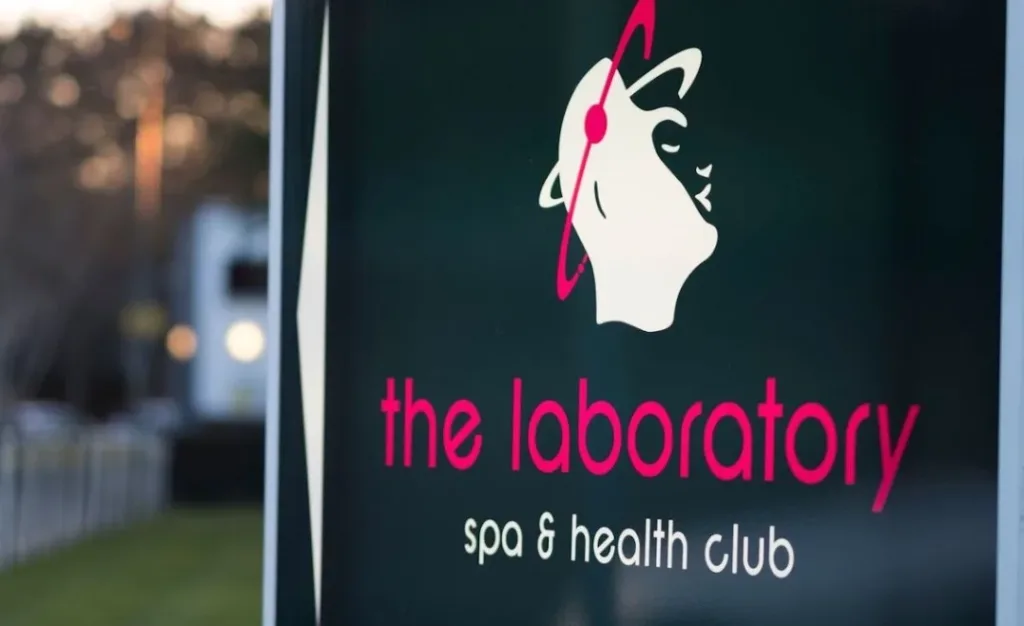
Our Colindale microsuction clinic is based at The Laboratory Spa, close to the Fiveways Interchange and easily reached from the M1, A1 and A41. There is plentiful free parking on site, including designated disabled bays and level access to the ground floor clinic entrance.
Colindale (NW4) Private Microsuction Ear Wax Removal — Fees, What’s Included & Duration
Our private microsuction service in Colindale sets out fees and what to expect, so residents of NW4 can easily see typical costs, likely appointment length, and the scope of a consultation. The basic fee normally covers an ear-focused clinical assessment, an otoscopic inspection and a hearing screen where clinically indicated, all delivered by a registered clinician experienced in audiology. We state charges clearly, including any extra costs for treating both ears, follow up cleaning or minor disposables used during the visit. Clinicians record findings and can send a written summary to your GP on request, which helps with continuity for ongoing ear conditions, tinnitus or repeat impaction.
Patients often want to know whether microsuction is included in the consultation price, or billed separately. To protect expectations and demonstrate governance, our policy typically bundles the consultation with microsuction for a single ear in standard cases. If wax is exceptionally hard or a lengthier procedure is medically required, we will inform you of any extra charge before proceeding. We use modern suction units, direct vision microscopes and sterile specula to lower infection risk and keep to high infection control standards.
What is covered during the consultation
At the appointment the clinician takes a brief medical history, inspects the ear canals, completes a simple hearing screen if needed, and discusses your symptoms with you. Medication history and prior ear surgery are reviewed, because anticoagulants or tympanoplasty can alter the assessment or the chosen technique. If microsuction is not appropriate, we explain alternatives such as cerumenolysis or referral to ENT. Patients are encouraged to ask about aftercare, recovery expectations, and ways to reduce future wax build up. We give clear, evidence informed guidance on ear care and safe cleaning for hearing aid users.
Consultation, Treatment and Follow Up Charges Explained
Our fee schedule breaks down what you are paying for: the initial clinical assessment, the microsuction wax removal, any necessary hearing tests, and follow up where recommended. Prices reflect clinician expertise, single use equipment and the appointment time needed to deliver a safe, thorough service. The scale is intended to be fair to patients and sustainable for clinicians; concessionary rates may be offered to registered pensioners or NHS staff at the clinic’s discretion. We provide clear invoices and accept card and online payments, and occasionally third party billing on request.
| Item | Typical cost (GBP) |
|---|---|
| Consultation and single-ear microsuction | £60 |
| Bilateral microsuction session | £90 |
| Extended session or complex cerumen removal | £120 |
| Hearing check or audiometry | £40 |
When a repeat appointment is necessary
Sometimes a second visit is needed to remove stubborn wax or where very narrow canals make prolonged suction unsafe in one sitting. If a repeat appointment is required we explain the reasons and any discount for returning patients. Clinical justification for further treatment is always documented in the patient notes. Should ENT review be indicated, we will assist with the necessary paperwork and contact details to reduce delays to specialist care.
Invoice and payment information
Invoices include treatment codes and a concise clinical note. If you need a detailed receipt for employer reimbursement or an insurance claim, we can provide that on request. Please bring any relevant insurance details so reception can advise whether direct invoicing is possible or if payment must be made at the appointment.
Advice for employers and insurers
Many workplace health plans reimburse private ear care; check policy terms for audiology and minor procedures before booking to avoid unexpected personal charges.
Disabled Parking
Several disabled parking bays are located directly opposite the main entrance
Microsuction Method and Clinical Safety Measures
Microsuction is a clinical method using controlled suction under direct microscopic vision to remove ear wax and debris from the external auditory canal. The approach permits the clinician to view the wax as it is removed, lowering the chance of damage to the eardrum and canal skin. It is especially useful for people with previous ear surgery, perforated tympanic membranes or active ear disease where irrigation is not suitable. Our staff keep up to date with infection control, use sterile disposable tips and adhere to professional guidance to minimise cross infection and membrane trauma.
Clinical safety covers more than the procedure itself: we screen before appointment for anticoagulant therapy, recent ear operations and current ear discharge. Those with active infection may need treatment before microsuction is offered. We take a careful history and, where appropriate, liaise with the patient’s GP or ENT service for joint management. Governance includes incident reporting, routine equipment servicing and annual competence checks for staff to maintain care standards and patient safety.
Advantages over ear irrigation
Direct visual suction reduces mechanical pressure on the ear canal, lessening the risk of forcing wax towards the eardrum. Microsuction avoids putting fluid into the canal, which can be uncomfortable and may worsen infection in some cases. For hearing aid users we can inspect and clean around moulds, advise on prevention, and make small personalised recommendations to reduce future blockage.
Parking
There is plentiful free on-site parking for patients.
Booking, Cancellation and How to Prepare
Appointments are arranged to allow focused clinical time, so please book in advance online or by phone. Because clinicians allocate dedicated assessment slots, we operate a cancellation policy to use time efficiently and allow others access. If you need to cancel or change, notify the clinic at least 24 hours beforehand to avoid a late cancellation charge. For urgent symptomatic cases we aim to offer expedited appointments when clinically appropriate.
- Call reception to discuss complex medical history, recent ear surgery or bleeding disorders so the clinician can pre-assess suitability before booking.
- On the day, bring a current list of medications, especially anticoagulants, plus any hearing aids or ear moulds you use regularly.
- Book online via the clinic booking page, choose a date and the microsuction service required, then confirm contact details and payment method.
- Arrive 10 minutes early to complete brief paperwork and to allow staff to check insurance or payment if required.
- If you suspect an ear infection with discharge or severe pain, mention this when booking so the team can advise whether microsuction is suitable or GP triage is needed.
Preparing children and anxious patients
We suggest a short pre-appointment phone call to explain the process to children or nervous adults. Familiarity reduces anxiety and improves cooperation. For young children book at quieter times and bring a comforting toy. Clinicians manage anxious patients using clear explanation, short pauses and gentle reassurance, keeping the procedure safe and effective.
Cancellation charges and exceptions
Late cancellations within 24 hours may attract a fee equal to part of the consultation price. Genuine emergencies and sudden illness are considered exceptions at the clinic’s discretion. Please discuss any concerns with reception if you think a charge may apply and you have valid grounds.
Appointment Booking
Private ear wax removal is by appointment only due to high demand. You can book a microsuction appointment here, or use the button below:
Booking, Charges and Cancellation Summary
Appointments are offered by booking to ensure dedicated time with a registered clinician. You can reserve a slot online or by phone, and payment is usually by card on the day or online in advance. Fees include a focused assessment, any needed hearing checks and the microsuction procedure where appropriate. Please give at least 24 hours notice to change your appointment to avoid a late cancellation fee and to allow someone else to use the slot.
- Choose a convenient date and time via the clinic booking page or phone reception to arrange a slot.
- Arrive a few minutes early to register, bringing a medication list and any hearing devices.
- Complete any pre-appointment questionnaire provided, this helps the clinician assess risk and preparation needs.
- If you must cancel, notify the clinic promptly so you can reschedule and avoid fees.
Travel, Parking and Step-Free Access at Colindale
Our Colindale clinic is well placed for car, bus and tube travel, and we offer free on-site parking which simplifies journeys for visitors across North West London. The entrance is at ground level with step-free access and disabled bays close to the door. If you come by public transport, Colindale station on the Northern line is the closest tube, with local buses providing short onward links. Allow extra travel time at peak periods and check for planned transport works on the day to avoid delays affecting your appointment.
If you use mobility aids, travel with a carer or need extra assistance, tell reception when booking and the team will arrange suitable accessibility measures. We operate an arrival protocol to ensure patients are seen promptly, avoiding long waits in communal areas for those who find standing difficult. The clinic prioritises urgent symptomatic ear cases on clinical grounds where needed.
Local travel options
- By taxi: local taxi ranks and app-based services are available, ideal for those who prefer door-to-door transport because of mobility needs.
- By rail: regional overground stations connect with taxis or buses for a quick onward journey to the clinic.
- By tube: Colindale station on the Northern line is nearby with short onward bus or taxi connections and step-free options on some services.
- By bus: numerous services run along the Colindale and Mill Hill corridors, with stops a short walk from the practice entrance.
- By car: the clinic sits close to the Fiveways Interchange with clear signage and free on-site parking for patients.
Advice for arrivals in severe weather
In heavy rain or snow roads may be slower and some bus services may operate revised timetables. If you are delayed, phone the clinic to let reception know so we can advise whether a slight adjustment or rebooking is appropriate.
Quick accessibility tip
Request ground-floor seating or a quieter waiting area when booking and the reception team will allocate a suitable space to meet your needs.
Further assistance note
Carers accompanying patients are welcome; please add their details when booking so staff can complete registration and consent quickly on arrival.
Nearby Clinics
Other nearby clinics you may find useful include the following locations:
- Mill Hill: Private Microsuction Clinic, North West London
- Hendon: Private Microsuction Service, NW4 Area
- Finchley: Private Microsuction Service, North London
- Barnet: Private Microsuction Clinic, EN5
- East Finchley: Microsuction Service, N2
- Edgware: Private Microsuction, North London
What to Expect on the Day of Your Microsuction Appointment
On arrival the clinician will take a focused clinical history, noting symptoms like fullness, hearing reduction, itching or tinnitus. A targeted ear inspection with an otoscope or microscope determines the nature of the blockage, whether soft wax, hard impacted cerumen, foreign material or debris. If the eardrum is visible and intact, microsuction proceeds under direct vision using a low-noise suction device and a fine sterile instrument. The clinician explains each step, checks your comfort and pauses if needed. Most straightforward cases are completed within 15 to 30 minutes.
If a pre-procedure hearing screen is clinically required, we complete simple audiometry, and for hearing aid users we check devices afterwards. After removal we reassess the canal, give written aftercare advice and, if necessary, book a follow up. If removal reveals infection or a perforation, the clinician will advise immediate management and arrange ENT referral where required, with a letter to your GP if you agree.
Common immediate results
Many patients notice instant hearing improvement and relief from pressure or blockage. Mild soreness or temporary increased awareness of internal sounds can occur, usually settling within 24 to 48 hours. If you experience unexpected symptoms after leaving, the clinic provides contact details for urgent advice.
Suitability, Contraindications and When We Refer
Not every patient is suitable for immediate microsuction. Contraindications include acute ear infection with purulent discharge, recent ear surgery in the past few weeks, certain mastoid conditions and uncontrolled bleeding disorders. Patients on anticoagulants are not automatically excluded, but we take an individual risk-based approach and may speak to the prescribing clinician before proceeding. If microsuction is unsafe, we discuss alternatives such as topical softening agents, GP treatment for infection, or ENT referral for specialist care. We document the rationale clearly in all cases.
When appropriate, the clinic issues an ENT referral or a management letter to your GP, summarising findings and recommended next steps. This ensures NHS and private care coordinate effectively for complex otological problems. Patients choose their preferred pathway after we explain risks, benefits and expected timelines for specialist review where needed.
Examples of referral reasons
- Children with repeated impaction and speech or developmental concerns, who may need multidisciplinary assessment via primary care or ENT.
- Repeated, thick keratinous debris suggesting cholesteatoma, where urgent ENT review is needed to exclude major pathology.
- Suspected tympanic membrane perforation on inspection, requiring specialist review and possible audiological assessment before further intervention.
- Persistent ear discharge despite topical treatment, where ENT assessment is needed for infection control and possible microscope-based management.
- Complex post-operative ear anatomy following mastoid surgery, where ENT will advise the safest cerumen removal method and long term care.
How we handle referrals
Referrals are sent with patient consent and we give the patient a copy for their records. We include a concise clinical summary, any relevant images and the urgency level to aid triage in secondary care.
Book your Colindale microsuction appointment, and leave ear wax discomfort behind.
Our microsuction clinic in Colindale serves patients across London, including North London, Northwest London, Colindale, Hendon, Golders Green, Stanmore, Bushey, Watford, Harrow, Wembley, Finchley, North Finchley, East Finchley, Southgate, Finchley Central, Brent Cross, Barnet, New Barnet, Elstree, Wealdstone, Harrow Weald, Belmont, Cockfosters, Hadley Wood, and Highgate.
Comparing Microsuction, Syringing and DIY Remedies
Microsuction and ear irrigation use different approaches and carry distinct risk profiles. Microsuction removes wax using a small suction tip under direct vision, avoiding pressure from fluids within the canal. Ear syringing introduces saline to flush wax out, which can push wax deeper, cause discomfort or increase infection risk if done incorrectly. Home remedies like cotton buds typically worsen impaction and may harm the canal skin. People with recurrent blockage should seek professional assessment to avoid repeated self-treatment that damages hearing and skin integrity.
The best option depends on the clinical situation. For fragile membranes, recent surgery or perforation, microsuction is often safer. If wax softens with drops, cerumenolysis followed by suction may be effective. We provide practical, evidence-informed advice to help patients choose the safest, most effective approach for their ear health.
Why many choose microsuction
- It allows the clinician to see what they are removing, which lowers the risk of accidental trauma to the eardrum and canal skin.
- Microsuction avoids introducing water into the ear, helpful for patients with chronic discharge or recurrent infections.
- The method is often quicker and produces predictable results, reducing the need for repeat visits in many cases.
- Clinicians can immediately assess the eardrum and canal and perform a hearing screen afterwards if needed.
- Hearing aid users benefit because clinicians can clean around moulds and offer maintenance advice to prevent future blockages.
Aftercare for home
Typical aftercare advises against cotton buds, keeping ears dry for 24 hours if recommended, and using only clinician-approved drops if softening is required. We give written guidance tailored to your circumstances.
Short precaution
Do not irrigate your ears at home if you have a known perforation or recent ear surgery; seek professional assessment to avoid complications.
Fascinating Facts About Colindale
- A Mummy in a Tube Station?
During WWII artefacts from the British Museum, including mummies, were stored in disused Colindale tube tunnels for safekeeping during the Blitz. Picture boarding the last train and sharing it with an ancient Egyptian.
- The “Curry Corridor”
One stretch near Colindale is nicknamed the Curry Corridor for its cluster of South Asian and Middle Eastern restaurants; locals sometimes enjoy “spice crawl” nights visiting several in one evening.
- Colindale: Land of the Airships
In the early 1900s Colindale was a hub for aviation, home to the Grahame-White Aviation Company. At times airships were a regular sight over the area, drifting like giant, slow-moving whales.
- The Whispering Tracks of the Northern Line
Some locals say that late at night, if you are alone on Colindale station’s platform, you can hear faint whispering between the tracks, supposedly voices from wartime evacuees. - The Vanishing Man of Montrose Park
Locals tell of an elderly figure in a long grey coat who briefly appears under the trees at dusk then vanishes when approached, said to be the ghost of a former groundskeeper.
- The Bacon Sandwich Capital
The original RAF Museum café earned a cult following for its budget bacon sandwiches; enthusiasts often visited for the sarnie as much as the exhibits.
- The UFO Report Guy
For years a local handed out handwritten flyers about alien sightings over Hendon skies, featuring eccentric theories about pigeons acting as drones and strange signals from Northern line trains.
- Flatpack Fame
IKEA near Brent Cross has been the backdrop for sitcom scenes, pranks and a 2009 pillow fight flash mob — a curious local claim to fame.
- The Policeman in the Mirror
Visitors to a small police museum inside the Met Training Centre report a mirror that briefly reflects a uniformed officer from the 1940s who is not otherwise present.
- The Screaming Flat on Grahame Park
Residents of one flat once reported hearing loud screams at 3:13 a.m. on several November nights each year, with no source ever identified.
- The Library That Hummed
When the old British Library Newspaper Archive still stood, researchers described an eerie hum that seemed to increase the deeper they went into the stacks; some joked it was the books remembering.
- The Night the Streetlights Blinked
In 1997 nearly every lamp on Colindale Avenue flickered for seven minutes then a blackout followed; the cause remained unexplained and remains a local curiosity.
- The “Cursed” Flat Block
One residential block off Aerodrome Road gained a reputation for breakdowns and disruptions, prompting locals to nickname it “the cursed one.”
- The Vanishing Man of Montrose Park
Reports persist of a figure appearing briefly under the trees at dusk and then disappearing when approached, thought by some to be the groundskeeper’s spirit.
- The RAF Phantom
Staff at the RAF Museum have reported sightings of a pilot in WWII uniform wandering the hangars after hours, labelled locally as “Flight Lieutenant Nowhere.”
- The Man Who Knew Tomorrow
A café regular in the early 2000s reputedly predicted transport disruptions and weather events before vanishing; locals called him “Forecast Frank.”
- The Crying Pipes of Aerodrome Road
Tenants in some buildings have reported morning sounds like weeping from the pipes, often described as a woman’s voice; plumbers find nothing unusual.
- Secret Spy School
Rumour says a discreet office block once hosted MI5 training sessions during the Cold War; no official proof, but stories persist.
- Manga, Magazines & Madness
Colindale’s old British Library Newspaper Archive was a trove of quirky periodicals, from Victorian tabloids to 1980s UFO newsletters.
- Ear Wax Removal In Colindale
Hearing First offers microsuction ear wax removal at The Laboratory Spa in NW4 on Mondays, with easy access from A1, A41 and M1 and free onsite parking. Book here.
Frequently Asked Questions on Costs and Funding
Patients frequently ask whether microsuction is covered by the NHS or private medical insurance. NHS provision differs by area and is often limited to specific clinical indications, so many people opt for private microsuction for a faster resolution. Some insurers will cover ear microsuction under outpatient audiology or minor ENT benefits, but cover depends on policy terms. We recommend checking your policy wording for outpatient ear care and any preauthorisation requirements to avoid surprise charges. The clinic can supply an itemised invoice suitable for insurer claims.
Other common queries relate to concession rates, availability for students or pensioners and discounts for multiple family members. Our standard fees and any current concession schemes are published on the booking page and reception can advise on eligibility and evidence needed. We strive for transparency about costs to support informed choices while maintaining clinical safety and service sustainability.
Insurance and employer reimbursement
- Bring ID and policy details to the appointment so reception can prepare an itemised invoice if required.
- Check your private medical policy for outpatient audiology or ENT cover, noting any excess or preauthorisation requirements before treatment.
- Some employers reimburse minor health procedures; obtain HR preapproval to confirm eligibility and reimbursement.
- If direct billing is allowed we will try to arrange this with insurer consent, otherwise payment on the day with later patient claim is typical.
- Keep all receipts and the clinician’s service description for claims and tax or health savings account use.
Fee waivers and exceptional situations
In rare financial hardship cases we may discuss alternative arrangements, subject to management approval and availability. Contact the clinic confidentially before booking to explore options.
Microsuction vs. Ear Syringing
Many GP surgeries in North West London no longer offer ear syringing. This is partly due to funding pressures but also because ear syringing is inherently less safe than microsuction. Possible complications of syringing include infection, hearing change, tinnitus, perforation of the eardrum and further impaction if wax is pushed deeper. It is unsurprising that more people are choosing microsuction instead of walk-in syringing. Rising demand has meant NHS microsuction services often have waiting lists of two to three months.
You do not need to wait months for microsuction, private appointments are an option and often more affordable than expected. Visit our booking page and you may be able to clear your wax blockage this week.
Why Microsuction Is Safer Than Syringing
Microsuction is a precise, suction-based technique performed under direct microscopic vision, which reduces the risk of perforating the eardrum or driving wax deeper. By contrast, irrigation uses fluid pressure and can cause discomfort, infection or temporary hearing changes for some patients. For those with prior ear surgery, thin eardrums or ongoing tinnitus, microsuction is often the preferred choice and can be combined with a brief hearing assessment when appropriate.
- Suitability for hearing aid users: the method is gentle on the canal and allows device checks afterwards.
- Lower risk: direct visual control reduces the chance of trauma or impact of cerumen further inward.
- Follow-up: the audiology team can advise on ear care and prevention to reduce recurring blockage.
- Faster recovery: minimal post-procedure irritation and typically no long water avoidance.
Patient Safety, Staff Qualifications and Clinical Governance
Clinical competence and governance are central to our service. Clinicians undertaking microsuction hold recognised audiology or ENT-related qualifications and maintain ongoing professional development relevant to ear care. The clinic records staff training, procedural competencies and supervision to ensure care follows best practice. We follow infection prevention guidelines, keep equipment service logs and maintain patient notes containing consent, findings and aftercare advice. These measures underpin consistent quality and patient safety in line with professional expectations.
If an adverse outcome or concern arises, a formal complaints and incident procedure is in place. We investigate events, document findings and share lessons with staff and patients where appropriate. Transparency about governance matters; patients can request information on clinician registration and we welcome questions about training or procedural risks so patients can make informed decisions.
Typical clinician background
Clinicians usually come from audiology, nursing or ENT support backgrounds, with additional microsuction training, regular competence assessments and registration with relevant professional bodies. Peer review and audit activity help keep practice current and enhance outcomes for patients with recurrent or complex ear conditions.
Record keeping and confidentiality
We hold detailed patient records in a secure system, including medical history, procedure notes, images if taken and aftercare instructions. Confidentiality is upheld and data is managed in accordance with UK data protection legislation.
Guidance for photographic records
Where clinical photographs are taken to document the ear before and after treatment, we obtain explicit consent and store images securely with the clinical record for quality assurance and continuity of care.
Data retention note
Records are retained in line with professional guidance and periodically reviewed, balancing patient privacy with medicolegal obligations.
Video: What Happens During Your Colindale Ear Wax Removal Appointment
Aftercare, Preventing Recurrence and Ear Health Guidance
After microsuction most patients gain immediate symptom relief but may benefit from advice to prevent recurrence. We provide personalised guidance on safe ear hygiene, advising against cotton buds and other objects that push wax deeper and harm the canal skin. For frequent wax producers we recommend periodic maintenance checks, clinically recommended softening drops where indicated, and routine hearing aid care for device users. Simple measures such as avoiding insertion of foreign objects and drying ears after swimming reduce the chance of repeat impaction.
For persistent problems, clinicians may suggest a preventative schedule, for example maintenance checks every six to twelve months, or intermittent use of prescribed ear drops. We also advise hearing aid users on mould care and provide written aftercare plans to support self-management. If signs of infection appear after treatment, including increasing pain, discharge or fever, contact the clinic or your GP promptly for reassessment.
Practical home care steps
- Use only clinician-recommended ear drops if softening agents are advised, follow the specified dosing and duration to avoid irritation.
- Avoid inserting cotton buds or sharp objects in the ear canal, as this commonly causes impacted wax and canal injury requiring professional treatment.
- If you swim frequently, consider ear plugs and dry ears carefully after water exposure to reduce infection risk and wax migration.
- Schedule maintenance checks with a clinician if you produce a lot of wax, to prevent sudden hearing loss from blockage and protect hearing aid function.
- If you experience severe pain, bleeding or ongoing discharge after the procedure, seek urgent clinical review rather than attempting home remedies that could worsen the problem.
When to seek urgent help
If you develop sudden severe ear pain, bleeding, acute hearing loss or fever after a procedure, contact the clinic or your GP immediately for urgent assessment. Early review prevents complications and ensures appropriate treatment.
Disabled Access
The clinic is on the ground floor and offers level access for visitors.
Who We Serve: Coverage Area and Referrals
Our Colindale clinic covers a wide area across North London and neighbouring districts, making microsuction accessible to residents in NW4 and nearby postcodes. We commonly see patients from Colindale, Hendon, Golders Green, Mill Hill and Finchley, and accept referrals from GP practices and community audiology services. For visitors from further away we provide clear directions, parking details and travel time estimates to help plan attendance. The clinic works with local ENT services and can fast-track referrals where clinical urgency exists.
Local clinicians value our clear documentation and prompt communication. We aim to complement NHS care by offering rapid access for symptomatic wax impaction and providing timely reports to referring practitioners. Collaboration ensures patients receive the most appropriate level of care, whether same-day microsuction, GP reassessment, or escalation to secondary care for specialist treatment.
Primary care and community links
GPs and community nurses often contact the clinic for guidance on patient suitability for microsuction and for shared decision making when medical histories are complex. We accept electronic referrals and send concise clinical letters to GPs after treatment to support continuity of care.
Frequently Seen Clinical Presentations and Expected Outcomes
Clinicians typically manage presentations such as unilateral hearing loss from wax, bilateral impaction with tinnitus, painful canal blockage following swimming, and wax buildup around hearing aid moulds. Most straightforward removals produce immediate subjective hearing improvement and relief from pressure sensations. Outcomes for complex cases vary with canal anatomy, prior surgery and coexisting ear disease; we explain this during the consultation and arrange follow up or referral when necessary. Clear aftercare advice and realistic expectations usually give the best long-term results for patients with recurrent cerumen.
We record outcomes and patient feedback as part of audit activity to identify service improvements and support evidence-based practice. Patients with chronic ear conditions may need coordinated care with ENT and audiology, and we facilitate this by providing referral letters and sharing clinical observations promptly.
Example case scenarios
- Hearing aid user with wax around moulds, clinician cleans both ear and device, advises daily device care and schedules a maintenance review.
- Simple unilateral soft wax removed in one session with immediate hearing improvement and no complications, with follow up advice if recurrence occurs.
- Hard impacted bilateral cerumen in an older adult requiring two sessions, with audiology screening before and after to document change and recommend maintenance intervals.
- Patient with previous tympanoplasty where removal is performed cautiously under microscope, with ENT referral if membrane integrity is uncertain.
- Repeatedly impacted paediatric case where multidisciplinary assessment is advised to check for underlying causes such as eczema or narrow canal anatomy.
Outcome documentation
We provide a concise post-treatment summary to each patient and, if requested, can email a copy to a referring GP or include it in a clinic letter to support ongoing care planning.
Ear Wax Removal Colindale North London Map, Location and Directions
You can get directions to our Colindale microsuction location here. Enter your starting point in the map and Google will guide you to the clinic.
Hearing First Colindale
Located within Laboratory Spa & Health Club - Mill Hill,
URL: https://www.hearingfirst.co.uk/book-ear-wax-removal-near-me/book-microsuction-ear-wax-removal-colindale/
Probably one of the best ear wax removal clinics in Colindale – don’t just take our word for it, we have many five star reviews from satisfied patients.
Colindale Clinic Location and Travel Advice
Our Colindale clinic is accessible by car, bus or the Northern line, with free on-site parking and a level entrance for step-free access, useful for visitors with reduced mobility or mobility aids. If you are attending for microsuction or an audiology appointment, allow extra time for peak-hour traffic and use a navigation app to check your route before you leave.
- By road: follow signs for the Fiveways Interchange and use the clinic’s on-site parking on arrival.
- Accessibility: level ground-floor entrance with disabled bays close to the clinic door, suitable for visitors with limited mobility.
- By rail: Colindale station on the Northern line is a short taxi ride or local bus connection away.
- Tip: check public transport updates on the day of travel to avoid delays.
Contact Details, Opening Hours and Clinic Policies
The clinic provides clear contact routes for bookings, enquiries and clinical advice. Opening hours include weekdays and some early evening appointments to suit those working standard hours. After booking you will receive appointment confirmation, a short pre-appointment checklist and cancellation policy information. Reception can advise on accessibility, payment methods and any pre-procedure guidance needed for complex medical histories. Emergency contact details are supplied to patients for post-procedure concerns during clinic hours.
Clinic policies cover privacy and data handling, complaints procedures and an equality and diversity statement to ensure services are accessible and fair. We welcome feedback to improve standards and review patient comments as part of quality assurance. If you need extra support at your appointment, for example an interpreter or more time due to sensory needs, tell reception when booking so arrangements can be made.
How to reach us
- Use the online booking portal to self-schedule and view available appointments, clinician notes and fee information immediately.
- Call the clinic during opening hours to speak to reception for booking or to change an existing appointment quickly and securely.
- If you require an interpreter, notify the clinic in advance so we can organise an accredited interpreter or alternative arrangements.
- For written enquiries, email the clinic to request invoices, clinical letters or additional information and allow up to three working days for a response.
- For urgent clinical concerns outside opening hours, follow the emergency guidance on your appointment confirmation and consider contacting NHS 111 or your GP if appropriate.
Opening hours and peak booking tips
Peak demand is commonly midweek late morning. If you prefer a quieter appointment try early mornings or certain mid-afternoon slots. Book early to secure preferred times and avoid delays.