Community Outreach Programmes in East Finchley — Private Microsuction Ear Wax Removal at N2 Clinic | Book Appointment
Page Revised on 31/7/2026 17:42
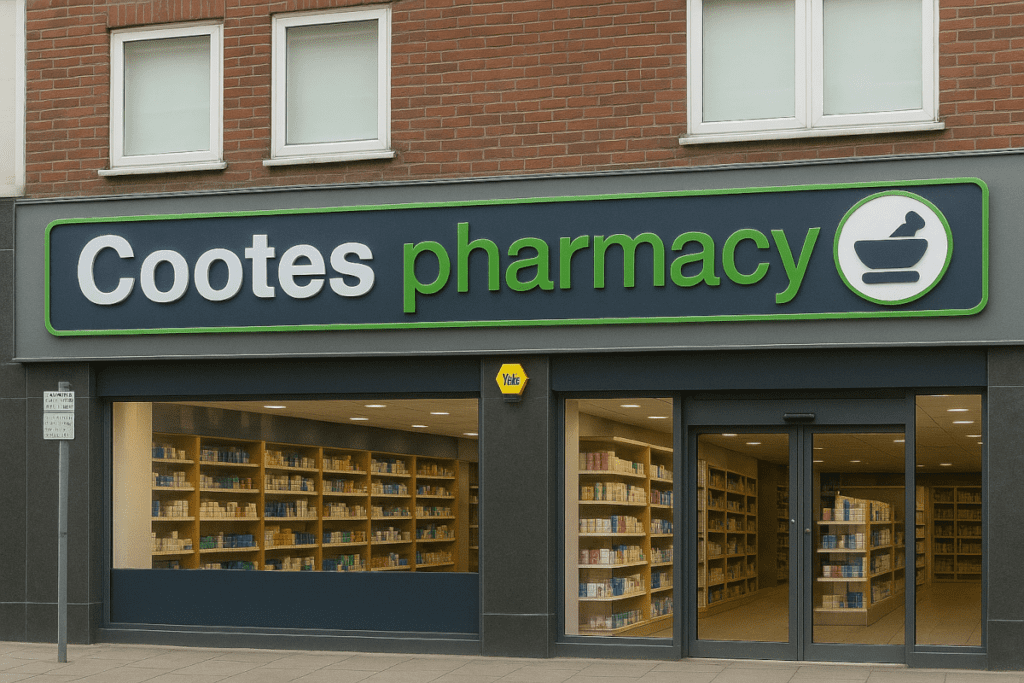
The East Finchley microsuction facility is based inside Cootes Pharmacy on the High Road, opposite Co-op Funeral Care. The clinic suite is on the ground floor to aid step-free access, and nearby short-stay free parking is provided except during the 2pm to 3pm restriction. Its location suits local residents seeking audiology-led ear care and straightforward travel to appointments.
Community Outreach and Private Microsuction Services at the N2 Clinic

The N2 service conducts focused outreach across the neighbourhood to explain how residents can access private microsuction ear wax removal and follow-up audiology. Outreach aims to lower practical barriers by describing the booking steps, confirming level access, and signposting patients to audiologist-led care pathways. Activities combine short talks at community venues, distribution of easy-read leaflets, and pop-up information stands so older adults, carers and hearing aid users with limited mobility can reach timely advice. Our communications emphasise why professional cerumen management by a registered audiologist is preferable to home irrigation or DIY methods.
Feedback gathered during engagement events is anonymised and informs improvements to appointment schedules, parking and drop-off instructions, and printed resources for local pharmacies and community centres. This intelligence helps streamline access across Barnet and nearby North London wards, and assists people to recognise when audiometry or ENT referral is more appropriate than immediate removal.
How Outreach Improves Clinical Access
Connecting community contacts with clinical appointments reduces wait times and helps people make informed choices about ear wax removal, hearing aid servicing and necessary follow-up audiology.
Local Community Engagement Programmes
The N2 site works closely with local groups to make private microsuction and hearing support easier to reach. By tackling factors that prevent clinic attendance, the programme explains booking, accessibility and the benefits of audiologist-delivered care. Typical initiatives include pop-up stands, partnerships with community centres and pharmacy events, with a focus on older people, hearing aid users and those with mobility restrictions.
Outreach also clarifies the differences between microsuction and at-home approaches, underlining the value of professional assessment. The insight gained from these activities feeds changes to appointment booking, patient communications and service provision across Barnet and the wider North London area.
Illustrative Outreach Activities
- Collaborative sessions with GP practices to simplify urgent referrals for microsuction, helping patients with conductive loss regain hearing more quickly than through routine hospital routes.
- Pop-up information stalls at the weekly market combining a short ear health talk with printed guidance on microsuction, booking and travel to the High Road clinic.
- Volunteer-led outreach to community groups supporting non-native English speakers, providing translated leaflets and assisted booking to improve equitable access.
- Pharmacy partnership events within Cootes Pharmacy to raise awareness of hearing aid care and offer priority booking for locals with symptomatic wax build-up.
- Visits to sheltered housing where audiologists give group education plus on-site triage for residents who report hearing decline or ear discomfort.
Patient Experience Highlights
"After weeks of reduced hearing in one ear I visited East Finchley for microsuction. The audiologist calmly explained each step, the procedure was swift, and my hearing improved immediately. I was reassured throughout."
We systematically collect patient feedback to track outcomes and use anonymised testimonials to improve our information materials, helping community members decide when to seek ear care and what to expect from microsuction.
Book Your Microsuction Appointment Today, And Leave Ear Wax Discomfort Behind
Our East Finchley microsuction clinic welcomes patients from Muswell Hill, Hampstead Garden Suburb, Finchley, Whetstone, Church End, Golders Green, Highgate, Hendon, Mill Hill, Barnet, Crouch End, Hornsey, Harringay, Southgate, Arnos Grove, Osidge, Wood Green and Tottenham.
Engagement Events: Talks, Stalls and Accessible Resources
Ongoing engagement in East Finchley focuses on delivering actionable guidance about ear health, microsuction and how to reach local clinics. Talks describe the practical differences between microsuction and irrigation, stress infection prevention and cover hearing aid maintenance. Sessions use simple diagrams and allow time for questions so attendees can raise personal issues. Printed materials are produced in large type and plain language, and translated summaries are supplied via partner organisations where needed to improve access for speakers of other languages.
Common Features of a Community Session
- A practical demonstration of how hearing aids should be cleaned and stored to reduce wax build-up and prevent feedback, with step-by-step tips attendees can follow at home.
- Printed leaflets showing the booking page address and clear instructions on how to request a ground-floor slot or assistance on arrival for those with mobility needs or Blue Badge considerations.
- An accessible talk, about 20 to 30 minutes long, explaining what microsuction involves and when to seek professional assessment, including differences from ear syringing and the risks of home irrigation.
- A question time for concerns about tinnitus, recurrent impaction or previous ear surgery so clinicians can advise if ENT referral or audiometry might be required.
- Contact cards for the clinic team and local pharmacy partners who can offer initial guidance on wax-softening drops when appropriate and refer persistent cases for specialist review.
Further Information

You can read more about our East Finchley clinic on this page.
Location, Map and How to Find Us
The microsuction clinic is located on High Road inside Cootes Pharmacy, a short walk from East Finchley Underground and served by frequent local buses. For satnavs, use postcode N2 9AS and follow the suggested walking or driving directions to the clinic entrance. Helpful local landmarks include the Archer statue by the station and the junction near the Phoenix Cinema, both useful for orienting first-time visitors. Our contact details and address are listed in local directories to make planning your visit straightforward.
Step-By-Step Directions
- If you use a mobility scooter or need level access, please call before you travel so we can prepare a ground-floor appointment and ensure smooth entry on arrival.
- Cyclists can lock to Sheffield stands on the nearby side streets; bring a suitable padlock and check local signage about permitted parking areas.
- Drivers coming from the A1 should leave at the Finchley Central junction and follow signs to High Road, allowing extra time for parking and possible short-term parking restrictions near the clinic.
- From East Finchley station, walk north along the High Road for about five minutes with the Archer statue on your left, then enter Cootes Pharmacy where the clinic reception is clearly signed on the ground floor.
- If you arrive by bus, alight at a High Road stop and walk two to four minutes; when booking, our team can advise which stop is closest to the clinic door.
Local Transport Tips
In poor weather allow an extra ten minutes from the bus stop, and consider using the pedestrian route beside the pharmacy if pavements on the High Road are congested. Contact us if you have specific access questions and the team will provide precise directions.
Simple Aftercare Steps to Follow
- Use prescribed ear drops exactly as directed when mild external canal irritation is noted, completing the course to reduce infection risk.
- Keep ears dry for 24 to 48 hours if advised, and avoid inserting cotton buds or similar objects to prevent re-impaction or injury.
- Return for a brief check if hearing loss or persistent tinnitus continues after the procedure, so the clinician can reassess and arrange further investigations if needed.
- If you wear hearing aids, wait for the audiologist’s confirmation before reinserting them to ensure the canal is clear and the device will not trap moisture.
- Contact the clinic by phone during working hours for guidance on minor concerns, and use NHS emergency routes for sudden severe pain, high fever, or abrupt profound hearing loss outside clinic times.
Interesting East Finchley Facts
- East Finchley’s Historic Pubs: The area is home to several historic pubs, including The Bald Faced Stag, which dates back to the 19th century.
- The Finchley Golf Club: Established in 1893, Finchley Golf Club is one of the oldest golf clubs in London, offering a challenging course set in picturesque surroundings.
- The North London Collegiate School: Founded in 1850, this prestigious girls' school in East Finchley has a long history of academic excellence and notable alumnae.
- The East Finchley Art Trail: An annual event that showcases local artists and their work, transforming public spaces into open-air galleries.
- The Dollis Valley Greenwalk: This scenic walking route runs through East Finchley, offering a natural corridor that connects parks and green spaces.
- The Finchley Lido: Originally opened in 1935, the Lido was a popular outdoor swimming venue and has since been transformed into a leisure centre.
- The Barnet Copthall Stadium: Located nearby, this stadium has hosted various sporting events and is known for its athletics track and facilities.
- The Finchley Memorial Hospital: Opened in 1929, this hospital has a long history of serving the local community and providing healthcare services.
- The East Finchley Farmers' Market: Held weekly, this market showcases local produce and artisanal goods, supporting local farmers and businesses.
- The East Finchley Cricket Club: Founded in 1864, this club has a rich history and continues to promote cricket among local youth and adults.
- The Archer Statue
The Archer statue above the Underground station, sculpted in 1940, is one of East Finchley’s best-known landmarks and reflects the area’s historic link to the countryside. - The Phoenix Cinema
Home to the Phoenix Cinema, East Finchley boasts one of the oldest continuously operating cinemas in the UK, opened in 1910 and still showing films today. - Spike Milligan’s Grave
Nearby is the grave of comedian Spike Milligan at St Thomas à Becket Churchyard, noted for the epitaph “I told you I was ill,” making it a famously witty local memorial. - Ear Wax Removal in East Finchley
Ear wax removal is provided by the team at Hearing First East Finchley, with sessions on Mondays at The Laboratory Spa in London NW4 close to Fiveways Interchange and convenient free onsite parking. Book now. - Cherry Tree Wood
Cherry Tree Wood was once part of the ancient Finchley Wood and remains a much-loved green space with a leafy, historic character. - George Michael’s Roots
Pop star George Michael lived in East Finchley during part of his childhood, and the area influenced his early life and music. - The Finchley Pudding Race
In the 1980s East Finchley hosted a quirky Pudding Race in which competitors balanced a pudding on a tray while running, a fond local memory. - Gothic Architecture Hidden Gems
The backstreets of East Finchley hide several Victorian Gothic Revival houses, lending parts of the neighbourhood a novel-like atmosphere. - Oldest Tube Station in Barnet
East Finchley station dates back to 1867, originally serving steam trains before becoming a long-standing part of the Northern Line. - World War II Bomb Shelters
Several public air raid shelters were constructed in East Finchley during WWII; some remain bricked up beneath parks and car parks. - The Elephant in the Garden
A local tale tells of a circus elephant that supposedly wandered into East Finchley gardens, a story passed down with a touch of local humour. - Haunted Railway Tracks
There are urban legends of a ghost seen near old railway sidings at night, thought by some to be a railway worker from the area’s past. - Artists’ Haven
Throughout the 20th century East Finchley attracted artists and writers seeking affordable homes, and its quiet streets still appeal to creatives today. - The East Finchley Murals
Colourful murals beneath the East Finchley bridge celebrate local history and community spirit, enhancing the area’s visual identity. - The Secret Tunnels
Stories persist about disused wartime tunnels beneath East Finchley, once used as air raid shelters and now the subject of local curiosity. - The Lost Village Well
Before modern plumbing, the area depended on a village well near today’s High Road, a reminder of East Finchley’s earlier rural past. - The East Finchley Clock Tower
A small clock tower near the High Road has long served as a local meeting point and witness to decades of community life. - The Secret Poetry Society
In the 1960s a discreet poetry club met in a small café in East Finchley, attracting experimental writers who read under assumed names. - The First Solar-Powered Tube Station
East Finchley was among early stations to trial solar panels in the 1970s, reflecting a forward-looking local spirit. - Fairy Lights in Cherry Tree Wood
Romantics like to tell of shimmering lights in Cherry Tree Wood on certain summer nights, a charming local legend.
Video: What to Expect at Your East Finchley Microsuction Appointment
East Finchley Map, Location and Directions
You can obtain directions to our East Finchley microsuction location here, simply enter your start point and follow Google Maps to the clinic.
%%JSLNAPSECTION_1_8609C13CB352C448%%
We aim to be one of the most trusted ear wax removal clinics in East Finchley — but don’t rely on our word alone, read reviews from satisfied patients who have experienced safe microsuction and improved hearing.
Clinic Location and Directions
The East Finchley clinic is based on High Road inside Cootes Pharmacy on the ground floor. For accurate navigation, enter the clinic postcode into your maps app and follow the recommended route to the microsuction suite.
- Nearest public transport: East Finchley Underground and several local bus routes within walking distance.
- Limited nearby free parking is available, with restrictions in force between 14:00 and 15:00.
- Ground-floor premises with level access directly into the treatment room.
If you are driving, allow extra time for parking or use Pay by Phone bays. Call ahead if you need personalised directions or help with access arrangements.
Why Audiologist-Led Microsuction Matters

Microsuction performed by an audiologist is a clinician-led procedure carried out with magnification and controlled suction under direct vision. Audiologists are trained to inspect the eardrum and canal, spot signs of infection or skin conditions, and advise on follow-up or hearing tests when required. Their specialist knowledge of hearing aids and ear health protects hearing and reduces complication risk compared with non-clinical methods. At East Finchley, only registered audiologists undertake microsuction, which helps ensure care follows recognised professional standards for private ear care in the UK.
Pop-Up Clinics, Pharmacy Partnerships and On-Site Triage
We run temporary pop-up clinics at community markets, pharmacies and sheltered-housing receptions to reach people who might delay seeking care. Pop-ups provide rapid triage by an audiologist or trained clinician, identify cases suitable for same-week microsuction, and offer advice on transport or Blue Badge parking. Working with local pharmacists creates a pathway: the pharmacist flags symptomatic wax, audiology triage confirms urgency, and the clinic arranges a timely appointment at the High Road site or another nearby clinic.
Benefits of On-Site Assessment
- Volunteer stewards support mobility, accompany patients to the clinic when transport is arranged, and collect anonymised feedback to improve future outreach planning.
- Immediate clinical triage enables staff to separate simple cerumen impaction from signs of infection or suspected perforation, so only suitable cases are scheduled for microsuction.
- On-the-spot booking reduces administrative delay and helps patients secure appointments within days rather than waiting weeks for routine referrals.
- Pharmacy partners act as trusted local referees and distribute information on ear health, cerumen management and hearing aid care to prevent recurrent blockage.
- Pop-ups offer a low-pressure setting for older adults and carers to ask about audiometry, ENT referrals or the differences between microsuction and ear syringing.
Operational Considerations for Pop-Ups
Sites for pop-ups need clear signage, an area that ensures privacy for brief assessments, and an easy process to reserve a formal microsuction appointment at the clinic when required.
Practical Tip for Attendees
Bring any hearing aids, a short medication list, and tell staff about anticoagulant use or recent ear surgery so the audiologist can judge whether same-day microsuction is appropriate.
Further Guidance
If discharge or signs of infection are present at triage, clinicians will typically recommend medical treatment first and postpone mechanical removal until it is safe to proceed.
Book Online in Three Steps
Because private microsuction is often in demand, booking online usually provides quicker access than waiting for NHS appointments, and it helps you choose a time that fits your routine.
- Complete the short health and contact form, including any mobility or accessibility requirements.
- Choose East Finchley as the clinic and select a suitable date and time.
- Attend with relevant items (hearing aids, medication list) and allow time for a brief clinical assessment before treatment.
If you need help with booking or require adjustments for disability access, call the clinic team who can advise and reserve an appropriate appointment.
How We Involve the Local Community
Our engagement includes talks at local venues, bespoke leaflets for sheltered housing, and partnerships with voluntary organisations. Each session explains the audiologist’s role, offers core advice on ear health and hearing aid maintenance, and helps link people directly into clinical services.
Detailed Accessibility Features
- Seating in the waiting area is arranged for comfort and to accommodate carers; patients needing hoists or specialist transfers should notify us ahead so we can make proper arrangements.
- We can provide large-print information or discuss communication support for people with hearing loss, for example speech-to-text options or extended appointment times for complex needs.
- Transport options including local taxi firms with wheelchair-accessible vehicles are listed on our information sheet and staff can assist with return arrangements for vulnerable patients.
- The clinic is on street level with step-free access into reception, making it straightforward to manoeuvre mobility aids into the consultation room.
- Accessible toilets are available nearby; if assistance is required with these facilities, please inform reception before your appointment.
Key Clinical Distinctions
- Microsuction allows continuous visual monitoring of the canal and eardrum, so clinicians can respond to tissue sensitivity, canal narrowing or unexpected pathology immediately.
- Where infection or discharge is present, an audiologist will often treat the infection first and delay removal to avoid spreading infection or causing pain during mechanical removal.
- Microsuction tends to be quicker for hard, compacted wax and is often better tolerated by older adults or those with sensory sensitivities, avoiding the cold water sensation of irrigation.
- Ear syringing is unsuitable for people with perforated eardrums, recent ear surgery or ventilation tubes, because the pressure of irrigation can harm the middle ear and hinder healing.
- When a combined approach is needed, clinicians will explain a stepwise plan which may include softening drops followed by a short microsuction session to clear residual deposits safely.
Accessibility, Disabled Access and Appointment Adjustments
The clinic prioritises physical access and communication support to make private microsuction inclusive. Premises are level-access, with room for mobility aids and nearby accessible toilets. Callers are encouraged to state access needs at booking so staff can reserve longer appointments, arrange ground-floor rooms, or provide large-print or easy-read materials. Blue Badge guidance for drop-off and short-term parking is given when you book, and volunteer transport links are coordinated with charitable partners for patients who cannot travel independently.
Available Access Options
- Provision to book two adjacent slots when a patient needs a carer or family member present for communication or support reasons.
- Wheelchair-accessible routes from pavement to reception, with staff assistance available for transfers and space for mobility scooters in the waiting area.
- Large-print and high-contrast information sheets explaining microsuction, aftercare and when to seek urgent review, available on request or at outreach events.
- Assistance with arranging taxis that can carry mobility aids, and contact details for community volunteer drivers who support older residents attending appointments.
- Extended appointment times for people with complex needs, enabling audiologists to use speech-to-text tools or involve carers during history-taking and consent.
Advice for Blue Badge Holders
When booking, tell reception you hold a Blue Badge so staff can suggest the most convenient drop-off point and, where possible, reserve a door-level appointment to reduce walking distance.
Short Caveat
Street parking arrangements may change because of local events, so always check the guidance provided with your appointment confirmation before travelling.
Blue Badge Advice
Blue Badge holders should display their badge clearly and follow on-street signs; if there is any uncertainty about bays, the clinic team will offer telephone guidance and suggest the nearest legal parking to avoid penalties.
Parking, Blue Badge and Access Information

Parking on the High Road includes short-stay bays, Pay by Phone spaces and a small free area that is restricted in the afternoon. Blue Badge holders may use limited on-street concessions in line with local rules, and the clinic team will advise on the best drop-off points if walking is difficult. Tell us at booking if you require assistance so we can reserve a ground-floor appointment and arrange staff support on arrival. Our aim is to give practical, clear guidance so visitors using mobility aids, carers or walking sticks can reach the treatment room with minimal difficulty.
Community Partners and Referral Pathways
- Schools and youth centres run awareness sessions on ear protection and safe ear care, supporting prevention alongside clinical access.
- Local GP surgeries refer patients directly for rapid microsuction, helping to streamline access to treatment.
- Charitable organisations assist older residents with transport to appointments, improving attendance and continuity of care.
- Community pharmacists offer guidance on safe ear care and refer patients to the clinic when needed.
- Public health teams use outreach data to inform local commissioning, highlighting demand for accessible audiology services.
Microsuction Versus Ear Syringing: Clinical Comparison
Microsuction is a modern visual technique that uses low-pressure suction under magnification to remove cerumen. Irrigation or ear syringing forces fluid into the canal and has been used historically in primary care, but it can carry greater risk for some patients. Audiologist-led microsuction reduces the chance of pushing wax deeper and avoids introducing water that may increase the odds of otitis externa. For people with prior ear disease, perforation or grommets, microsuction is often the safer option and is commonly preferred in specialist practice across London and the UK for its accuracy and comfort.
Booking Process, Fees and What to Expect at Your Visit
Private microsuction is by appointment to allow clinicians time for assessment, removal and tailored aftercare. Our central booking page lists current fees which cover clinical inspection, microscopic removal and written aftercare. During online booking you complete a brief health screening so the audiologist knows about any recent ear surgery, infection or anticoagulant therapy. If microsuction is not suitable on arrival, the clinician will suggest alternatives such as wax-softening drops, short follow-up checks or referral to ENT for complex presentations.
Step-By-Step Booking Guide
- Select East Finchley or a nearby clinic and indicate any accessibility needs so staff can allocate a longer appointment or a ground-floor room.
- Complete the short health questionnaire, noting recent ear pain, surgery or devices such as hearing aids that might affect assessment and treatment planning.
- Pick a date and time; if immediate microsuction is needed because of conductive hearing loss or acute symptoms, request an urgent slot to allow prioritisation.
- Arrive five to ten minutes early with hearing aids and a medication list; the audiologist will take a brief history and inspect the ear canal before recommending the safest technique.
- After treatment, receive verbal and written aftercare instructions, including when to contact the clinic and which symptoms require urgent review.
If you prefer to book by telephone, reception can help and reserve an appointment that matches transport or communication needs.
Safety, Aftercare and Planned Follow-Up

Patient safety is central to every microsuction appointment. The audiologist carries out a pre-procedure check, inspects the ear canal and confirms that microsuction is appropriate. After treatment we provide personalised written aftercare and explain warning signs that need prompt review, such as increasing pain, discharge or sudden hearing changes. For recurrent impaction or ongoing symptoms, the clinician will propose a follow-up plan and may arrange audiometry or ENT referral. Clinical governance records outcomes and any incidents to support ongoing quality improvement across the East Finchley service and regional network.
Nearby Clinics and Regional Coverage
Hearing First operates multiple clinics across north and north west London to provide microsuction where some GP surgeries no longer offer ear wax removal. East Finchley is one of several local sites including Barnet, Hendon, Mill Hill, Colindale and Edgware. If East Finchley is fully booked, patients can often be offered appointments at nearby clinics, preserving rapid access to microsuction, audiology assessment and hearing aid support. Appointment allocation is coordinated centrally to keep travel time reasonable while maintaining continuity of care with qualified audiologists.
Clinical Safeguards and Patient-Focused Practice
- If wax removal indicates the need for hearing assessment, the clinician can recommend or arrange audiometry to ensure onward care for hearing loss or tinnitus.
- Each appointment begins with a concise medical history and ear inspection to identify contraindications such as perforation, recent surgery or active infection that would change the plan of care.
- During the procedure the audiologist uses a microscope or high-magnification device to maintain continuous sight of the canal, reducing the risk of abrasion or eardrum trauma.
- Patients who use hearing aids receive tailored advice on device care after removal, which helps prevent feedback and improves everyday comfort and communication.
- Infection control, sterilisation of equipment and accurate record-keeping are routine components of every consultation, reflecting patient safety priorities.
Safe, Comfortable Ear Wax Removal by a Local Audiologist
Ears and hearing require careful attention, and removal should be provided by suitably trained clinicians. Some providers delegate ear cleaning to non-clinical staff, but we judge that this procedure needs the expertise and judgment of a qualified Audiologist.
At this clinic, only registered Audiologists perform ear wax removal. Their specialist understanding of ear anatomy and hearing health reduces the risk of harm and helps deliver a safe, effective procedure tailored to each patient. We take hearing care seriously and are committed to clinical standards.
Clinical Safety, Governance and Aftercare Standards

Patient safety is the foundation of every audiology appointment. Clinicians undertake a pre-procedure check, examine the ear canal under magnification and confirm that microsuction is the correct technique. The clinic maintains structured clinical governance records, logging anonymised outcomes and any adverse events to support continuous improvement across the network. Aftercare advice is personalised and clear escalation routes are explained for worsening pain, discharge or sudden hearing change so ENT referral can be arranged when specialist review is needed.
Post-Procedure Guidance
- Wait for the audiologist’s confirmation before reinserting hearing aids to ensure the canal is clear and to avoid trapping moisture or device-related irritation.
- Avoid inserting cotton buds or similar instruments into the ear canal after microsuction, as they can reintroduce cerumen or cause abrasion to the skin and canal lining.
- Keep the ear dry for the period advised, typically 24 to 48 hours, and follow any ear-drop regimen exactly as prescribed to reduce the risk of otitis externa.
- If continuous tinnitus, persistent hearing loss or new discharge occurs after the appointment, return for assessment so clinicians can order audiometry or arrange ENT referral without undue delay.
- Use the clinic phone line for non-urgent concerns during working hours, and the NHS emergency routes for sudden severe pain, fever with ear symptoms, or abrupt profound hearing loss outside clinic times.
East Finchley: Local Context and Community Health Connections
East Finchley is an active North London community with a strong focus on health initiatives. Partnerships with charities and local healthcare providers support drop-in clinics and workshops, reducing barriers to discussing ear health. The clinic’s links within this network improve access to audiology services, providing an option for patients who face long waits for hospital-based microsuction.
East Finchley: Community Links and Local Health Support
East Finchley is a well-connected North London neighbourhood with strong community networks that support proactive health initiatives. Charities, faith groups and residents’ associations often host drop-in clinics and information sessions. By offering microsuction services within this network we reduce the stigma around ear problems and reach people who might otherwise postpone seeking help. The clinic works with primary care to complement GP services, providing an alternative route for patients needing specialist ear cleaning or audiology when hospital waits are long.
How to Book, Step by Step
- Complete the brief online health questionnaire, noting any ear surgery, infections, anticoagulant medication or ear pain so the audiologist can plan a safe assessment.
- Select East Finchley as your preferred clinic and pick a date and time; if you need extra time or translation services, indicate this at booking so a longer slot can be allocated.
- If microsuction is unsuitable on the day, the clinician will discuss alternatives such as wax-softening drops, a short follow-up, or referral to ENT when specialist input is required.
- Arrive five to ten minutes early to confirm details; bring hearing aids, a medication list and any GP or ENT letters that might help clinical decision-making.
- Aftercare advice is provided verbally and in writing, including avoiding cotton buds, keeping ears dry when advised, and when to seek urgent help for symptoms such as discharge or increasing pain.
If you prefer telephone booking or need help using the website, reception can assist and reserve a slot that meets your access needs.
Local Clinics Nearby

Some of our nearby clinics include the following locations:
- Edgware: Private Microsuction Ear Wax Removal In North London
- Mill Hill: Private Microsuction Ear Wax Removal In North West London
- Colindale: Private Microsuction Ear Wax Removal In Northwest London
- Hendon: Private Microsuction Ear Wax Removal In North West London
- Barnet: Private Microsuction Ear Wax Removal In Barnet EN5
- East Finchley: Private Microsuction Ear Wax Removal In East Finchley N2
Clinical Distinctions: Microsuction Compared with Irrigation and Syringing
Microsuction uses direct visualisation and measured suction to remove cerumen while viewing the canal under magnification. Ear syringing or irrigation forces water into the canal, a technique historically used in primary care, but it can increase infection risk or push wax toward the tympanic membrane for some patients. For people with perforated eardrums, grommets or previous ear surgery, microsuction is usually the safer choice and is commonly preferred in specialist practice. Choosing the right technique reduces complication risk and helps clinicians decide whether further audiometry or ENT assessment is required.
Key Clinical Differences
- When infection or discharge is evident, clinicians typically treat the infection first and delay mechanical removal until the canal is clinically stable to avoid making symptoms worse.
- Microsuction provides continuous sight of the ear canal and tympanic membrane, allowing the audiologist to respond immediately to tissue sensitivity or unexpected findings, and so reduce the chance of trauma.
- Microsuction is often quicker for hard, compacted wax and is better tolerated by older adults and people with sensory sensitivities than the cold water sensation of syringing.
- A stepwise plan that uses softening drops followed by microsuction is commonly adopted for long-standing wax, balancing comfort with safety and effectiveness.
- Irrigation introduces fluid which can be poorly tolerated by some patients and may be unsafe where a perforation or ventilation tube is present.
Safety, Aftercare and Planned Follow-Up
Patient safety is the top priority during microsuction appointments. Audiologists perform a thorough pre-procedure check to confirm microsuction is appropriate. After treatment, personalised aftercare instructions are issued, detailing symptoms that need immediate attention such as worsening pain or sudden hearing changes. For recurrent problems, a follow-up plan may include audiometry or ENT referral to ensure comprehensive care.
Video Demonstration, Process and Patient Stories
We provide concise video guides that outline what happens during a microsuction appointment so patients know what to expect. The clips show the clinic environment, the audiologist’s technique using magnification and suction, and typical pre- and post-procedure checks. Alongside video content we share anonymised patient accounts that describe clearer hearing, relief from pressure and, for some, reduced tinnitus after safe wax removal. These resources are used at outreach events and on information boards to reassure people considering treatment for the first time.
Microsuction Versus Ear Syringing: Risks and Considerations

Many GP practices in North West London no longer provide ear syringing, partly due to funding pressures and partly because irrigation carries greater risk than microsuction. Possible complications of irrigation include infection, hearing reduction, tinnitus, eardrum perforation and pushing wax closer to the eardrum. Consequently, more patients choose microsuction as a safer clinical option. Demand for NHS microsuction has increased, so some public clinics now have waits of several weeks or months.
You do not necessarily have to wait months for microsuction, and private treatment may be available at short notice. Use our booking page via the links below to check availability and reserve a slot.
Audiologist-Led Ear Care
All ear wax removals are performed by qualified audiologists who use magnification and controlled microsuction to protect the eardrum while clearing the canal. Their training supports careful assessment and treatment planning.
- Treatment is tailored to individual ear anatomy and any hearing aid use.
- Specialist expertise reduces the likelihood of injury compared with non-clinical removal methods.
- Clinicians explain findings and advise on follow-up or hearing assessment where appropriate.
Infection control and patient comfort are central to our approach; the audiologist will review medical history and outline the proposed procedure before starting.
Volunteer, Charity and GP Partnerships That Extend Access
Local charities and GP surgeries are vital to the outreach model. Charitable organisations help with transport and accompaniment for less mobile residents, while GP surgeries prioritise referrals for symptomatic wax that affects hearing or communication. Together, these partners raise awareness, triage patients at pharmacies and community events, and refer to the clinic for specialist microsuction and audiological follow-up when needed. The combined approach reduces unnecessary ENT referrals and improves patient experience across North London.
Examples of Collaborative Roles
- Community faith and cultural groups host outreach talks in familiar settings to increase trust and uptake among people who might otherwise avoid clinical services.
- GP surgeries use agreed referral templates to flag urgent conductive hearing loss so the audiology team can offer rapid appointment slots.
- Volunteer drivers and charity coordinators arrange escorted transport for older adults, ensuring patients are supported from check-in to discharge.
- Pharmacy staff distribute plain-language safety leaflets about cerumen management, advise on suitable wax-softening products and refer persistent or symptomatic cases for triage.
- Local public health teams review anonymised outreach outcomes to inform commissioning and advocate for accessible audiology where demand is greatest.
Why Microsuction Is Favoured
Microsuction employs direct visualisation and fine suction instruments to remove cerumen under a microscope. It offers greater precision and control than traditional syringing or irrigation, and is generally safer when the eardrum or canal is vulnerable.
- Microsuction avoids forcing water into the canal, reducing the chance of infection or worsening impaction.
- Clinicians can see and remove wax without obstructing the view, which reduces the risk of perforating the eardrum.
- It is suitable for most adults, including those who use hearing aids and people with previous ear problems.
If wax has been present for a long time or symptoms persist, an audiologist-led assessment helps select the safest removal technique and investigate any related hearing concerns.
Disabled Parking Policy
Blue Badge holders can park on double yellow lines for up to three hours, in line with local regulations.
Community Outreach Programmes in East Finchley, Private Microsuction at the N2 Clinic — Book an Appointment

The N2 clinic runs outreach that connects local people with safe, private microsuction ear wax removal and practical hearing support. These activities aim to remove obstacles by explaining booking steps, ensuring premises are accessible and directing residents to audiologist-led clinical pathways. Locally we operate pop-up information points, work with community centres, and partner with pharmacies and GP surgeries to help people understand microsuction as a clinical option rather than a home remedy. Outreach focuses on older adults, hearing aid users, carers and those with mobility issues, and it signposts them to our clinic at 166 High Road for assessment and treatment. Feedback collected during events helps improve appointment availability, transport guidance and patient communications, and anonymised outcomes are logged to strengthen ear care across Barnet and North London.
When Private Microsuction Is Suggested
People with recurrent impaction, those who use hearing aids, or anyone needing rapid improvement in conductive hearing loss commonly choose private microsuction to access specialist assessment from a registered audiologist without long waits.
Transport, Parking and Blue Badge Guidance for Visitors
Practical travel guidance reduces the stress of attending a microsuction appointment. The clinic provides current advice about short-stay bays, Pay by Phone spaces and free parking conditions near the High Road site. Blue Badge holders are told how to display their badge correctly and where permitted parking and drop-off points exist. Reception notes mobility needs at booking and can advise on the most convenient route to the ground-floor treatment room, including volunteer or taxi options that carry mobility aids.
Practical Travel Tips
- Patients who travel by taxi and need mobility assistance should inform reception in advance so staff can arrange help with transfers and a ground-floor slot if available.
- If you hold a Blue Badge, state this when booking so staff can suggest the best entrance and reserve a time that reduces walking distance to the clinic door.
- For community transport or volunteer drivers, allow extra time for pick-up and return and confirm contact details on the day to avoid delays.
- Check the appointment confirmation for the recommended drop-off point and parking notes, as on-street restrictions can change with local events or temporary works; using the nearest legal bay avoids fines.
- Visitors by public transport can request large-print directions or a simple map when booking; staff can advise on the nearest bus stops and accessible routes.
Reminder for Carers
Carers accompanying patients should let reception know so an adjacent seat can be provided and appointment timing adjusted to accommodate any extra support needs.
Parking Near the Clinic
There is limited free parking near the clinic except between 2pm and 3pm, and Pay by Phone spaces are available close by.
How to Book an Appointment

Because demand is high, private ear wax removal is by appointment only. You can book your microsuction appointment via our booking page, or use the button below to reserve a slot.
How We Involve the Local Community
Our work includes talks at community venues, tailored leaflets for sheltered housing, and cooperation with voluntary groups. Each session explains the differences between ear syringing and microsuction, outlines the audiologist’s role in assessment and provides clear advice on cerumen management and hearing aid upkeep. Outreach activities form a bridge to clinical services, shorten waits and improve knowledge about safe ear care routes in East Finchley and surrounding wards.
Local Sites and Specialist Services
- Barnet routinely accepts GP referrals and provides a quick pathway for urgent microsuction before ENT review.
- Mill Hill focuses on outreach for older adults, offering home-visit triage and priority appointments for those with transport difficulties.
- Colindale offers flexible evening appointments for people who work during the day, improving access for commuters and shift workers.
- Edgware combines microsuction with balance screening to address dizziness and vestibular concerns alongside wax removal.
- Hendon specialises in extended audiology assessments for suspected sensorineural hearing loss and runs structured follow-up for hearing aid users.
Standards of Care: Registered Audiologists and Professional Governance
All microsuction procedures are carried out by registered audiologists trained in ear anatomy, infection prevention and the use of magnification and suction devices. Clinical governance ensures documentation of findings, treatment choices and any safety incidents. Audiologist expertise informs decisions about audiometry, hearing aid maintenance and when ENT referral is appropriate. Upholding professional standards helps ensure safe, consistent care and supports patient confidence in the service.
What the Audiologist Contributes
- Clinical judgement on whether microsuction is suitable today, or whether antibiotics, topical treatment or ENT review should precede mechanical removal, enhances patient safety.
- Detailed ear inspection under magnification enables detection of eczema, exostoses or canal variations that affect the approach to cerumen removal.
- Advice on hearing aid maintenance and device checks is provided when wax removal improves device performance, reducing the chance of repeated blockages.
- Documentation includes history, findings and a plan for follow-up or referral, supporting continuity of care across services.
- Clinicians undertake ongoing training and audit to stay current with best practice, infection control and evolving guidance on ear care.
Professional Assurance
The clinic’s governance framework includes routine case review and anonymised outcome reporting to support continuous quality improvement across the regional network.
Short Note
If you have had recent ear surgery or implanted devices, mention this at booking so the audiologist can plan a safe assessment pathway.
Booking, Fees and What to Expect

Private microsuction appointments are provided by booking only, which helps us allocate clinician time for assessment and treatment. You can book online or by phone, and a short health screening is requested at booking to confirm suitability. Fees cover clinical assessment, microscopic inspection, microsuction and aftercare advice; details are published on our central booking page. Many patients opt for private microsuction to avoid long NHS waits and we aim to offer timely appointments for urgent wax blockages causing hearing loss or discomfort.
Simple Aftercare Steps to Follow
- Wait for confirmation from the audiologist before reinserting hearing aids to ensure the canal is clear.
- Keep ears dry for 24 to 48 hours and avoid inserting cotton buds to prevent re-impaction.
- Use prescribed ear drops exactly as directed to reduce infection risk.
- Return for a check if hearing loss or tinnitus persists after the procedure.
- Contact the clinic for minor concerns and use NHS emergency services for severe symptoms such as high fever or sudden profound hearing loss.
Community Outreach Programmes: Practical Local Activities

Our outreach work aims to improve access to audiology and promote ear health awareness in East Finchley. We concentrate on groups at higher risk of cerumen impaction, including older adults, care home residents and frequent hearing aid users. Activities include short talks at community centres, pop-up clinics in partnership with pharmacies, and home-visit triage for those unable to travel. Each event provides clear guidance on prevention, safe ear cleaning and the signs that require clinical assessment. This proactive approach reduces emergencies and supports early intervention for hearing issues that affect communication, cognition and social engagement.
Disabled Access and Facilities
The clinic is on the ground floor and provides level access.
Patient Information, Videos and Experiences from Practice

We provide short educational videos and anonymised patient narratives to demystify microsuction, outline the clinical steps and show typical aftercare. Video resources are shared at outreach events and on noticeboards to help first-time patients see the procedure and learn about outcomes such as clearer hearing, release of pressure and sometimes reduced tinnitus. Testimonials collected with consent inform patient-facing materials and reassure those who are anxious about clinical ear care.
Contents of the Patient Resources
"I felt nervous at first, but the audiologist explained everything and the procedure took only a few minutes. My hearing improved straight away and the aftercare advice was clear and simple."
Alongside video and written guides, staff provide checklists that explain what to bring, how to prepare for the appointment and when to expect a follow-up, improving transparency and adherence to aftercare recommendations.
Community Partners and Referral Pathways
- Local GP surgeries refer patients with symptomatic wax or conductive loss directly to the clinic for rapid microsuction assessment and treatment, reducing the need for ENT referrals in straightforward cases.
- Charitable organisations that support older or less mobile residents coordinate transport and accompany patients to appointments, improving clinic uptake.
- Community pharmacists support patients by providing advice on safe wax-softening drops, distributing patient information and referring persistent cases to our booking team.
- Public health teams use anonymised outreach data to inform local commissioning, showing demand for accessible audiology services across N2 and Barnet.
- Schools and youth centres occasionally host awareness sessions on safe ear care and hearing protection, promoting prevention alongside clinical access.
Regional Coverage and Referral Pathways Across North and North West London

The N2 clinic is part of a broader regional network that includes several nearby sites to preserve rapid access to microsuction and audiology. If East Finchley has limited slots, patients can be offered appointments at other clinics which may provide evening sessions, balance screening or extended assessments. Centralised appointment coordination aims to reduce travel where possible while keeping continuity of care with qualified audiologists who operate under the same clinical governance and referral arrangements for ENT and audiometry.
How Referrals Are Coordinated
- Specialist clinics in the network provide extended diagnostics such as audiometry and balance testing, and accept follow-up referrals when a fuller evaluation of hearing or vestibular function is required.
- When outreach or pharmacy triage identifies someone who needs urgent assessment, staff can book a regional appointment within days and advise on transport options if needed.
- Central coordination ensures patient records and anonymised outcomes travel with the referral so receiving clinicians have the necessary history and avoid duplicated assessments.
- Where ENT opinion is required, the clinic supports prompt referral and supplies documentation needed for secondary care triage, reducing delays in specialist review.
- GP surgeries use agreed referral pathways to request urgent microsuction in cases of conductive hearing loss or substantial communication difficulty, which helps prioritise clinic slots for those most affected.
Hearing First East Finchley
Located within Cootes Pharmacy,
URL: https://www.hearingfirst.co.uk/book-ear-wax-removal-near-me/book-microsuction-ear-wax-removal-east-finchley/