Guide to Private Microsuction Ear Wax Removal in Ealing W5
This Resource Modified on 10:09, 11 Nov 2025
Our Ealing ear wax removal clinic sits inside Back 2 Well-Being, a short three‑minute walk from Northfields underground station. Parking is limited nearby, aside from 2pm to 3pm, and the clinic is on the ground floor.
A guide to private microsuction ear wax removal in Ealing W5
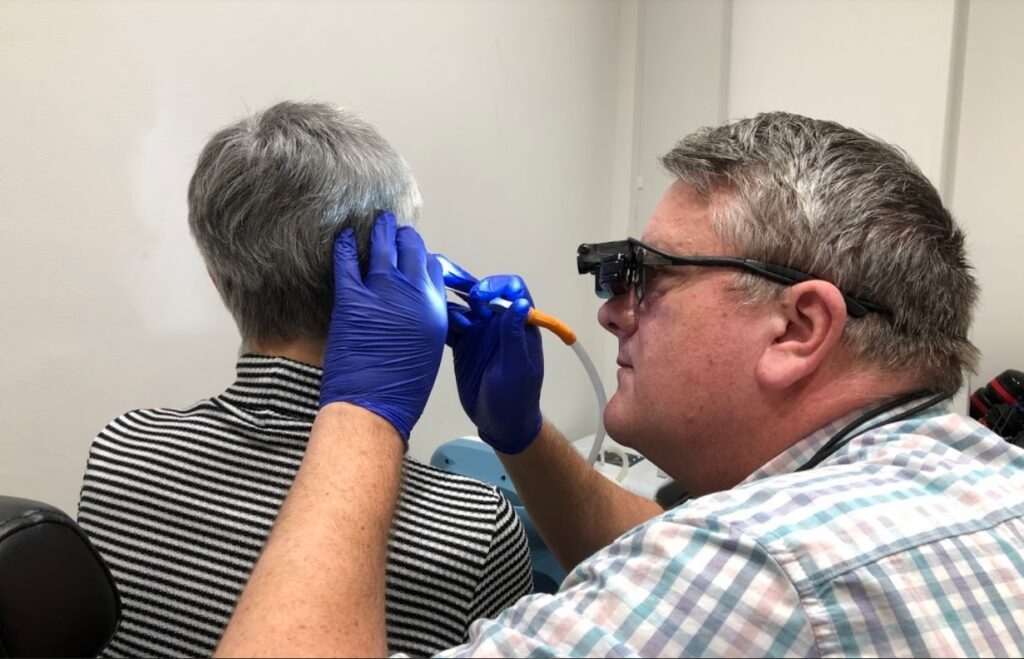
This guide explains how private microsuction ear wax removal works in Ealing, what to expect on arrival at Hearing First in W5, and why many local patients favour a clinic based approach over ear irrigation at a GP practice. The procedure uses a gentle, low‑pressure suction probe under magnification, enabling the clinician to remove cerumen without introducing water into the ear canal. An experienced audiologist or ENT trained practitioner examines the ear with an otoscope and microscope to confirm safety, and to rule out infection or a perforated eardrum. If you wear hearing aids, wax build‑up can quickly affect performance, so many patients opt for private appointments to minimise downtime and avoid lengthy NHS waiting lists. The Back 2 Well‑Being clinic provides a convenient local option for residents of Northfields, Brentford and Ealing Broadway, and it adheres to infection control and consent procedures common to private audiology services in the UK.
Patients often value the direct visual control offered by the clinician, the absence of water in the ear which is important for people with recurrent ear infections, and the short appointment length which usually allows same‑day return to normal activities. The clinic recommends bringing a brief medical history or details of any recent ear problems, and to inform staff of allergies or anticoagulant medication. If the clinician identifies an ear condition requiring ENT review, you will be advised on next steps and referral options within the borough, ensuring continuity of care and clinical governance in line with British practice.
Who carries out the ear wax microsuction
The team comprises registered audiologists and clinicians with microsuction training, each maintaining ongoing professional development and competency records. Clinicians explain the technique, answer questions about risks, and document findings in a clinical note, helping patients make an informed choice about private ear wax services in the W5 area.
How to book an appointment
Private ear wax removal is by appointment only due to high demand. Booking online is the quickest option, same‑week microsuction slots are often released, and you should state any accessibility needs or whether you use hearing aids when you reserve your appointment.
- Visit the booking page and choose Hearing First Ealing, select a suitable date and time.
- Enter your contact details, note any mobility or medical considerations, and confirm the appointment.
- Arrive a few minutes early with any prior audiology notes or referrals, this helps the clinician assess ear health before microsuction.
Ear Wax Removal Ealing West London Map, Location and Directions
Finding the clinic is straightforward for local residents and visitors. Hearing First Ealing sits inside Back 2 Well‑Being on Northfield Avenue, W5 4UB, within easy walking distance of Northfields station on the Piccadilly line. The embedded map helps plan precise walking routes, parking notes, and nearby bus stops. If travelling by public transport, allow time for a short walk from the station and check for temporary engineering works that can affect Tube and bus services across West London. For drivers, the map highlights nearby one‑way streets and resident permit bays so you can plan where to stop and walk to the clinic rather than risk a contravention.
- Taxi or ride‑share: drop off near the clinic entrance, plan for narrow pavements during busy periods and request assistance if needed on arrival.
- Car: limited on‑street parking is available, check local signs for time restrictions to avoid fines, and consider short stay bays if you need to leave the vehicle briefly.
- Bicycle: Sheffield stands for cycle parking are near the clinic, and quieter back streets make cycling a practical option for short trips.
- Tube: Piccadilly line to Northfields, then a short level walk along Northfield Avenue, suitable for most mobility aids and prams.
- Bus: several local routes stop on Northfield Ave and the Broadway, check Transport for London for live timetables and step‑free access information.
Practical tips for arrival
Allow ten minutes extra for checking in, especially if you need to complete a short health questionnaire. Bring any hearing aid details, a list of medications, and let reception know if you require assistance, a chaperone, or a translator. If you are travelling from outside Ealing, save the map image or buy a day ticket to avoid delays with Oyster or contactless payments at certain times.
Ear Wax Removal in Ealing West London Map, Location and Directions
You can get directions to our Microsuction Ealing Location here. Just enter your starting point in the field and Google Maps will guide you to the clinic.
Parking and Blue Badge Information
Parking in this area of Ealing can be limited during business hours, so reading local signs saves time and stress. There are designated short stay 'Stop and Shop' bays near the clinic offering up to 30 minutes free parking for quick visits, and several residential permit bays further away for longer stays. Please note that controlled parking zones operate at specific times, often in the afternoon, so check nearby signs for restrictions between 14:00 and 15:00 and on certain days. Using a parking app to pay and monitor your session can help avoid penalties, and side streets sometimes provide longer duration spaces if you are prepared to walk five to ten minutes to the premises.
Blue badge holders have important concessions in the area. Local council guidance permits blue badge parking on double yellow lines for up to three hours where it is safe to do so, but exceptions apply on loading bays or where additional restrictions are posted. If you hold a disabled parking permit, bring it and speak to reception so staff can advise on the most convenient drop‑off point and arrange assistance if required. The clinic aims to make arrival as simple as possible and will note accessibility needs during booking, helping to reserve a nearby parking spot where feasible.
Nearby parking alternatives
For longer appointments or repeat visits, consider nearby public car parks and longer stay options. These alternatives reduce the risk of time limit contraventions and provide space for mobility vehicles and scooters when needed.
Fascinating Facts About Ealing
- “Queen of the Suburbs”
Ealing earned its regal nickname in the 19th century as one of London’s first garden suburbs, famed for its leafy streets and grand Victorian villas. Developers marketed it as a rural escape for wealthy Londoners, a reputation still reflected in Ealing’s green spaces like Walpole Park. - Ealing Studios: Birthplace of British Film
Founded in 1902, Ealing Studios is the world’s oldest continuously working film studio. It produced the iconic Ealing Comedies of the 1950s, including The Ladykillers (1955). Scenes from Notting Hill (1999) and Downton Abbey were also filmed here, cementing Ealing’s cinematic legacy. - Pitzhanger Manor’s Hidden Gem
Designed by architect John Soane in 1800, this Ealing landmark was his country retreat. Its quirky design includes hidden mirrors and skylights. Charlie Chaplin filmed scenes for A Woman of Paris (1923) in its gardens, though locals kept it secret to avoid crowds. - Ear Wax Removal in Ealing
Ear wax removal is available from the experts at Hearing First Ealing on Thursdays at Back 2 Well-Being on Northfield Road, just a few minutes’ walk from Northfields station. Click here to book now. - Medieval Roots of St. Mary’s Church
Ealing’s 12th-century St. Mary’s Church on St Mary’s Road was rebuilt in the 19th century but retains medieval foundations. During renovations, workers found a 14th-century “leper squint”—a wall hole for outcasts to view Mass—hinting at Ealing’s role in medieval religious life. - The Great Ealing Fair
From 1215 to 1879, Ealing hosted a sprawling annual fair granted by King John. Revived in 1995 as the Ealing Beer Festival, it nods to its raucous past when traders, performers, and pickpockets flooded the town. A plaque near Ealing Broadway marks the original site. - Ealing’s Rebel Suffragettes
In 1913, Ealing suffragettes firebombed the local railway station in protest. A hidden mural near Haven Green commemorates their activism, though council records downplay the “unladylike” tactics of Ealing’s militant campaigners. - Haunted Ealing Town Hall
Built in 1888, Ealing Town Hall’s clock tower is said to be haunted by the “White Lady,” a ghostly figure linked to a heartbroken bride who jumped from the tower in 1891. Staff report cold spots and phantom footsteps in the ballroom. - The Lost Ealing Lido
Opened in 1931 near Lammas Park, Ealing Lido was a summer hotspot with art deco diving boards. Closed in 1989, its site is now housing, but locals swear summer nights echo with splashes and 1950s rock ’n’ roll. - Ealing’s Jazz Age Secret
In 1933, Duke Ellington played a surprise gig at Ealing’s Red Lion pub. The event was kept hush-hush to avoid racial tensions, but a scribbled set list found in the cellar in 2002 confirmed the legend—now framed behind the bar. - Monty Python’s Ealing Link
Scenes from Monty Python and the Holy Grail (1975) were filmed in Ealing’s Warren Farm. The “Knights Who Say Ni” sequence used its overgrown fields, though locals initially mistook the cast for eccentric hikers. - Ealing’s Green Goddess
The 1898 Walpole Park statue of Ceres, Roman goddess of agriculture, was nicknamed the “Green Goddess” after being painted by pranksters in the 1960s. Ealing Council restored her, but greenish stains still linger—blamed on “divine intervention.” - The Ealing Club: Cradle of British Blues
Dubbed “the birthplace of British R&B,” this basement venue on The Broadway hosted The Rolling Stones’ first gig in 1962. Alexis Korner’s band rehearsed here, and a plaque now honours Ealing’s role in launching the 1960s blues boom. - Ealing’s UFO Panic
In 1964, over 50 Ealing residents reported a “cigar-shaped object” hovering near Hanger Lane. The Ealing Gazette ran front-page sketches, but the RAF dismissed it as a weather balloon—locals still debate “the day Ealing met aliens.” - Secret Bunkers Under Ealing
During the Cold War, a network of bunkers was built beneath Ealing Town Hall. Rediscovered in 2010, they contained decaying 1960s survival kits. Urban explorers joke about Ealing’s “apocalypse Airbnb,” though access remains restricted. - Ealing Abbey’s Musical Legacy
Founded in 1897, this Benedictine monastery houses a choir school that trained composer John Tavener. Its Gregorian chants still echo through Ealing, and rumours persist of a ghostly monk humming plainsong in the cloisters at midnight. - The Ealing Feasts
From 1547, Ealing hosted lavish “Parish Feasts” to celebrate the harvest. Revived in 2012 as a food festival, the event recreates Tudor recipes—though the original “ale‑soaked bread” is now craft beer and sourdough. - Ealing’s Film Star Park
Lammas Park’s meadows doubled as African savannah in The African Queen (1951) and Victorian London in Finding Neverland (2004). Locals joke that Ealing’s grass is “Hollywood‑grade,” though dog walkers rarely spot cameras. - The Southall Rail Disaster Memorial
In 1997, a train collision in Southall (part of Ealing borough) killed seven. A memorial garden off Tentelow Lane honours the victims, though many passersby mistake it for a quiet picnic spot. - Ealing’s “Hanging” Station Sign
Ealing Broadway’s tilted station sign, damaged by a lorry in 2003, sparked rumours of a cursed “hanging sign.” Staff lean into the myth, telling commuters it tilts further whenever a train is delayed—a playful nod to Ealing’s commuting woes.
Location, Map And Directions
Our Ealing clinic is three minutes' walk from Northfields station, postcode W5 4UB, located inside Back 2 Well-Being on Northfield Ave. Use the embedded map for precise walking routes, parking notes, and nearby bus stops when planning your visit for microsuction ear wax removal.
- Tube: Piccadilly line to Northfields, then a short walk to the clinic.
- Car: limited free on-street parking nearby, note restrictions between 14:00 and 15:00.
- Bus: several local routes stop on Northfield Ave, useful for clients with reduced mobility.
Disabled Access and On‑Site Facilities
Step‑free access and interior layout
The clinic is on the ground floor with step‑free entry directly from the pavement, allowing level access for wheelchairs, mobility scooters and parents with pushchairs. Inside, circulation space is designed to accommodate an assistance dog, and clinicians schedule appointments to allow extra time where transferring and positioning require additional support. A clearly signed accessible toilet is available nearby within the Back 2 Well‑Being premises, and seating in the waiting area includes options with armrests to assist standing. Lighting is arranged to reduce glare while still providing adequate illumination for the clinician's microscope, and the reception team will help with any practical needs on arrival.
Clinical equipment and support services
The clinic uses an examination microscope, micro suction device and single‑use suction probes where recommended, reducing cross‑contamination risk. If you use a hearing aid, clinicians can advise on cleaning and battery replacement, and they maintain links with local ENT services for onward referral if a complex pathology is found. There is also a small supply of ear drops available should a pre‑softening regime be necessary before removal, and staff will explain any pharmacological options and contraindications.
Tip for patients with mobility needs
When booking, mention mobility limitations and whether you will bring a carer or chaperone, this helps staff allocate a ground floor appointment and arrange a quieter time for easier access.
Additional note
If you require a translator or British Sign Language interpretation, request this in advance so the clinic can arrange qualified support, ensuring clear communication and full informed consent for the procedure.
Appointment Booking
Due to high demand, private ear wax removal is by appointment only. You can book an ear microsuction appointment here, or click on the button below:
How to Book an Appointment in Ealing W5
Booking a private ear wax removal appointment at Hearing First Ealing is straightforward and designed to fit into busy schedules. The clinic operates an online booking system that allows you to select available microsuction slots, provide brief medical history, and indicate accessibility needs, such as mobility assistance or whether you wear hearing aids. Many patients find that same‑week appointments are often available by choosing the private option rather than waiting for an NHS referral, and the online form prompts you to note recent ear pain, discharge or prior ear surgery so the clinician can triage appropriately. If you prefer to book by phone, the clinic offers a dedicated number staffed during business hours where reception can advise on times and location logistics.
- Enter your details on the booking page, pick a date and time that suits you, and be ready to provide a contact number for reminders.
- Complete the health questionnaire online, noting any recent ear infections, device use such as hearing aids, or use of anticoagulant medication so the clinician can assess safety for the procedure.
- Confirm your booking and check email or SMS reminders, which often include guidance on pre‑appointment ear softening if recommended and directions to the W5 location.
- If you need to cancel or reschedule, do so early to free the slot for another patient and to avoid cancellation fees if applicable.
- On arrival, bring any previous audiology notes or GP referrals, and arrive a few minutes early to finish any remaining paperwork, allowing the clinician to begin promptly.
Booking considerations
State any communication preferences when you reserve the appointment, and inform the team if a chaperone or carer will attend, so the clinic can allocate suitable time and resources for your visit.
Why Microsuction Is preferred to Syringing
Microsuction uses a microscope and gentle suction to remove ear wax under direct vision, praised by audiologists and ENT clinicians for safety and effectiveness. It lowers the risk of perforation, infection, and tinnitus flare ups, and is ideal for hearing aid users or recurrent impactions.
- Common syringing risks include ear infection, temporary hearing loss, and pushing wax deeper into the ear canal.
- Microsuction allows immediate visual assessment, precise removal, and typically quicker recovery with less discomfort.
More Information
You can find more information about our Ealing ear wax removal clinic here.
What to Expect During Your Ear Wax Removal Appointment
A typical appointment begins with a brief clinical assessment and history, where the clinician asks about symptoms such as hearing loss, ear pain, tinnitus, or discharge. They perform an otoscopic inspection to assess the ear canal and tympanic membrane, looking for signs of infection, perforation or previously placed ventilation tubes. If the ear appears suitable for removal, the clinician uses a microscope for magnification and small suction probes to aspirate wax under direct vision. The gentle suction is performed with the patient seated comfortably, and clinicians explain sensations you may feel, such as mild vibration or a brief change in pressure. Procedure times vary, commonly lasting between 20 and 40 minutes depending on the degree of impaction and whether both ears require attention.
Aftercare advice is given immediately, including how to keep the ear dry if necessary, when to resume hearing aid use, and signs that would warrant urgent review, for example increasing pain, fresh discharge or sudden change in hearing. If pre‑softening drops were advised, clinicians confirm the safe schedule for use and whether there are contraindications for certain ear drops with perforated eardrums or grommets.
Who should not have the procedure
Microsuction may be deferred or avoided if there is acute otorrhoea, an active infection, or a known perforation of the eardrum; in such cases the clinician will recommend alternative management and liaison with a GP or ENT service. If you are taking certain medications that affect clotting, mention these at booking so the clinician can assess bleeding risk.
Disabled Access
The clinic is located on the ground floor and there is level access.
Microsuction Compared with Ear Syringing and Irrigation
Choosing the right method for cerumen removal depends on ear anatomy, prior ear problems and patient preference. Historically, ear syringing used warm water to irrigate wax from the ear canal, but this technique can carry risks such as temporary hearing loss from retained water, ear infection, or epidermal trauma, and is less suitable for people with perforated eardrums or grommets. Microsuction provides targeted removal without introducing fluid, allowing the clinician to see and control removal under magnification. For recurrent impactions and hearing aid users, the precision of suction often reduces the need for repeat treatments and lowers the risk of pushing wax deeper into the canal.
- Risk profile: irrigation can increase infection risk in certain ears, whereas suction under direct vision minimises accidental contact with the tympanic membrane when performed by a trained clinician.
- Suitability: irrigation is usually contraindicated in ears with perforation or tubes, while suction is frequently the preferred option for these cases unless the clinician advises otherwise.
- Comfort: some patients find the warm water used in irrigation unpleasant, whereas suction is typically described as quieter and less invasive, though sensations vary individually.
- Effectiveness: microsuction often resolves blockages in a single visit, particularly when wax is hard or adherent, while syringing may be less effective for firm cerumen.
- Aftercare: microsuction usually results in immediate clearance and allows safe same‑day hearing aid use, while irrigation can require time for residual moisture to evaporate.
Clinical perspective
Audiologists and ENT clinicians now frequently recommend suction techniques for safety and effectiveness, especially in a private setting where prompt access and continuity of care are priorities for patients in W5 and neighbouring districts.
Disabled Parking
Disabled clients with a blue badge can park on double yellow lines for up to 3 hours.
Hearing First Ealing
Located within Back 2 Well-Being,
URL: https://www.hearingfirst.co.uk/book-ear-wax-removal-near-me/book-microsuction-ear-wax-removal-ealing/
Probably the best ear wax removal clinic in Ealing – but dont just take our word for it – here are some reviews from our many happy clients:
Safety, Training and Clinician Credentials
Regulation and standards
Private clinics offering ear wax removal follow recognised standards for infection control, equipment maintenance and clinical governance. Clinicians are registered with professional bodies where applicable, maintain up to date training in aural microsuction techniques, and undertake periodic competency assessments. The clinic records consent, documents findings in a clinical note, and has escalation pathways to local ENT services or GPs for conditions outside the scope of primary care. Patients can request information about clinician qualifications and the training programme, supporting transparency and trust in the private care pathway.
Emergency procedures and governance
Clinics hold protocols for adverse events, including immediate management of bleeding or sudden discomfort, and have arrangements with nearby urgent care or hospital services for referral if unexpected complications occur. Regular audits of outcomes and patient feedback inform quality improvement, and equipment such as microscopes and suction units are subject to routine servicing to meet UK medical device guidance.
Tip for patients checking credentials
Ask for the clinician's professional registration or membership of recognised associations at the time of booking if you wish to verify training and scope of practice, this is a reasonable request that clinics expect and can easily provide.
Further assurance
The clinic can supply a copy of its safeguarding policy and infection control statement on request, giving additional assurance for those arranging care for vulnerable adults or children.
Book your microsuction ear wax removal appointment today, and say goodbye to the discomfort of ear wax.
Our microsuction ear wax removal clinic in Ealing also serves clients in East Finchley, Church End, Golders Green, Hendon, Hampstead Garden Suburb, Mill Hill, Barnet, Finchley, Highgate, Crouch End, Hornsey, Harringay, Southgate, Whetstone, Arnos Grove, Osidge, Wood Green and Tottenham.
Price, Insurance and Private Clinic Benefits
Private microsuction services in Ealing typically charge a single fee that covers assessment, procedure, and immediate aftercare advice. Prices vary between providers, but the private option often proves cost‑effective when factoring in quicker access, shorter waiting times and the opportunity to resolve symptoms in one visit. Many private clinics provide invoices suitable for submission to health insurers; if you intend to claim, check with your insurer whether ear wax removal is covered under your policy and any pre‑authorisation requirements. Some employer occupational health schemes also reimburse private audiology appointments, so saving receipts and clinical notes can be useful for reimbursement and record keeping.
Choosing private care brings benefits such as extended appointment times for patients with anxiety or complex needs, the ability to select an appointment time that suits your schedule, and often the availability of weekend or evening slots. Clinics in Ealing balance clinical rigour with patient convenience, offering clear consent procedures, written aftercare instructions, and straightforward follow up if further treatment is necessary. If a referral to an ENT specialist is required, the clinic will advise on next steps and share clinical findings to expedite the secondary care pathway.
Payment options
Most clinics accept card payments, contactless methods and provide receipts; enquire about concession rates or combined hearing assessments if you need broader audiology services beyond wax removal.
Video: What Happens In Your Ear Wax Removal Ealing Appointment
Microsuction vs. Ear Syringing
Many people in West London are finding that their local GP surgery no longer offers ear syringing. This is partly due to funding constraints and partly because ear syringing is less safe than microsuction. Possible side effects of ear syringing or irrigation include ear infection, temporary hearing loss, tinnitus, perforation of the eardrum, and further impaction of the ear wax. Is it any wonder that people are turning away from walk‑in syringing in London and seeking microsuction ear wax removal instead? The surge in demand has meant NHS micro suction clinics often struggle to meet need, with waiting times frequently exceeding two to three months.
You no longer need to wait months for micro suction. Why not save time by going private? It is not as expensive as you think. Simply head to our booking page and you could be saying goodbye to your wax blockage this week!
Aftercare, Recovery and Warning Signs
Aftercare following microsuction is usually simple and involves keeping the ear dry for a short period if any minor abrasion occurred, avoiding cotton buds and refraining from vigorous water exposure such as swimming for a few days if recommended by the clinician. Hearing typically returns immediately after removal, though a small proportion of patients notice transient tinnitus or a sensation of fullness as the ear readjusts. The clinician provides specific guidance based on what was observed during the procedure, and patients receive written advice on how to clean external hearing aids and when to resume normal device use. If softening drops were used before the appointment, the team confirms whether further use is necessary and explains contraindications for certain ear drops with perforated eardrums or grommets.
- Normal recovery: minor residual itch or mild sensitivity in the canal should settle within 48 to 72 hours, and simple analgesia such as paracetamol usually manages discomfort.
- When to contact the clinic: increasing pain, fever, fresh or bloody discharge, or a sudden deterioration in hearing are signals that you should seek review without delay.
- Hearing aids: avoid reinserting in the treated ear until the clinician confirms it is safe, this reduces the risk of reintroducing debris or moisture.
- Follow up: some people with recurrent wax impaction benefit from scheduled reviews or a preventive care plan, including occasional cleaning at a clinic or self‑care advice for ongoing management.
- Documentation: keep the procedure note and any receipts, these assist future clinicians and support insurance claims if needed.
Red flag symptoms
If you experience severe vertigo, worsening balance problems, or persistent bleeding following the appointment, attend urgent care or contact the clinic immediately for advice, as these symptoms may indicate a complication requiring prompt assessment.
Parking
There is free on‑street parking for up to 30 minutes in designated Stop and Shop bays.
Nearby Clinics and Catchment Area
Hearing First in Ealing serves a broad West and North West London catchment, and there are neighbouring private microsuction clinics in surrounding boroughs which can be useful if you need an alternative appointment. Clinics in Surbiton, Edgware and further afield offer similar microsuction services, and many share clinical standards and referral pathways with local ENT services. For patients in outer boroughs, travelling to a central West London clinic may still be quicker than waiting on an NHS list, and local transport links make Ealing an accessible choice for those living in Hanwell, Acton or Greenford. Knowing where other clinics are located can help you compare appointment availability, parking convenience and opening hours to find the option that best fits your needs.
- Surbiton: private microsuction sessions, accessible by rail with early morning appointments for commuters requiring quick visits.
- Edgware: north London clinic offering ear microsuction, convenient for patients in Barnet and Finchley with weekend availability and nearby parking.
- Southall: clinics in the borough offer late afternoon slots suited to parents and workers travelling from Southall and Hayes, with step‑free access and interpreter services on request.
- Acton and Ealing Broadway: multiple providers in the area offer audiology assessments, with cross‑referral common when hearing tests or complex ENT input is needed.
- Central London options: if travel is acceptable, central clinics may provide extended hours and multi‑disciplinary teams for combined hearing and wax management appointments.
Choosing between nearby options
Consider appointment availability, clinician credentials, accessibility, and whether you need same‑day care when selecting a clinic; many patients prioritise quick access and clear clinical governance when comparing local providers.
Nearby Clinics
Here are some of our nearby clinics:
- Surbiton: Private Microsuction Ear Wax Removal In Surbiton KT6
- Edgware: Private Microsuction Ear Wax Removal In North London
Frequently Asked Questions About Ear Wax Removal
These FAQs address common concerns people raise before booking an ear wax removal appointment in Ealing. Patients often want to know whether the procedure is painful, how long it lasts, and what the risks are. Clinicians explain that most people experience little or no pain, the session usually takes under an hour, and the main risks are rare but include temporary irritation or, in uncommon cases, bleeding if the ear canal skin is fragile. Questions about children, follow up intervals and how often hearing aid users should attend are routinely answered, and many clinics provide tailored care plans for frequent wax formers to reduce repeat blockages. Booking staff are used to advising on pre‑appointment softening regimes and whether to avoid particular ear drops before attending.
- Is the procedure painful? Most patients report minimal discomfort, described as slight pressure or vibration, and clinicians pause to check comfort throughout the process, making adjustments as needed.
- How long does it take? Typical appointments range from 20 to 40 minutes depending on impaction severity and whether both ears need treatment, with extra time allotted for assessment and aftercare discussion.
- Can children have the treatment? Yes, many clinics treat children; clinicians use age‑appropriate techniques and may recommend shorter appointments or parental presence during the procedure.
- Will my hearing return immediately? In most cases hearing improves straight away, though a small number of patients notice temporary tinnitus or a sensation of fullness until the ear settles.
- How often should I have this done? Frequency varies, some people require annual checks, while others with chronic production of wax may benefit from scheduled clinic cleaning every few months as advised by the audiologist.
If you have a specific concern not covered here, call the clinic ahead of booking so the reception team can advise whether microsuction is appropriate, or if an ENT referral is more suitable given your medical history.